Category
553 products
Showing 193 - 240 of 553 products
Brewing ingredients – malt, hops, yeast and beer kits
Here you will find the ingredients for brewing beer at home: malt, hops and yeast, ready-made Fresh Wort Kits, all-grain kits and extract kits, plus additions such as fining agents, yeast nutrient, water treatment and fruit purée. The range covers everything from 100 grams of speciality malt to complete kits for 20–25 litres, for beginners and for brewers working on their own recipes.
Please note: Loose malt (100 g, 20 kg and 25 kg) is currently not sold to Sweden. Malt extract and beer kits can be ordered as usual.
How to choose a brewing method
The ingredients you need depend on how you brew. The table shows the four most common routes to finished beer.
| Method | What you get | What you do |
|---|---|---|
| Fresh Wort Kit | 20 litres of finished wort, yeast and instructions | Fermenting and bottling |
| Extract kit | Concentrated wort for 20–23 litres | Diluting, fermenting and bottling |
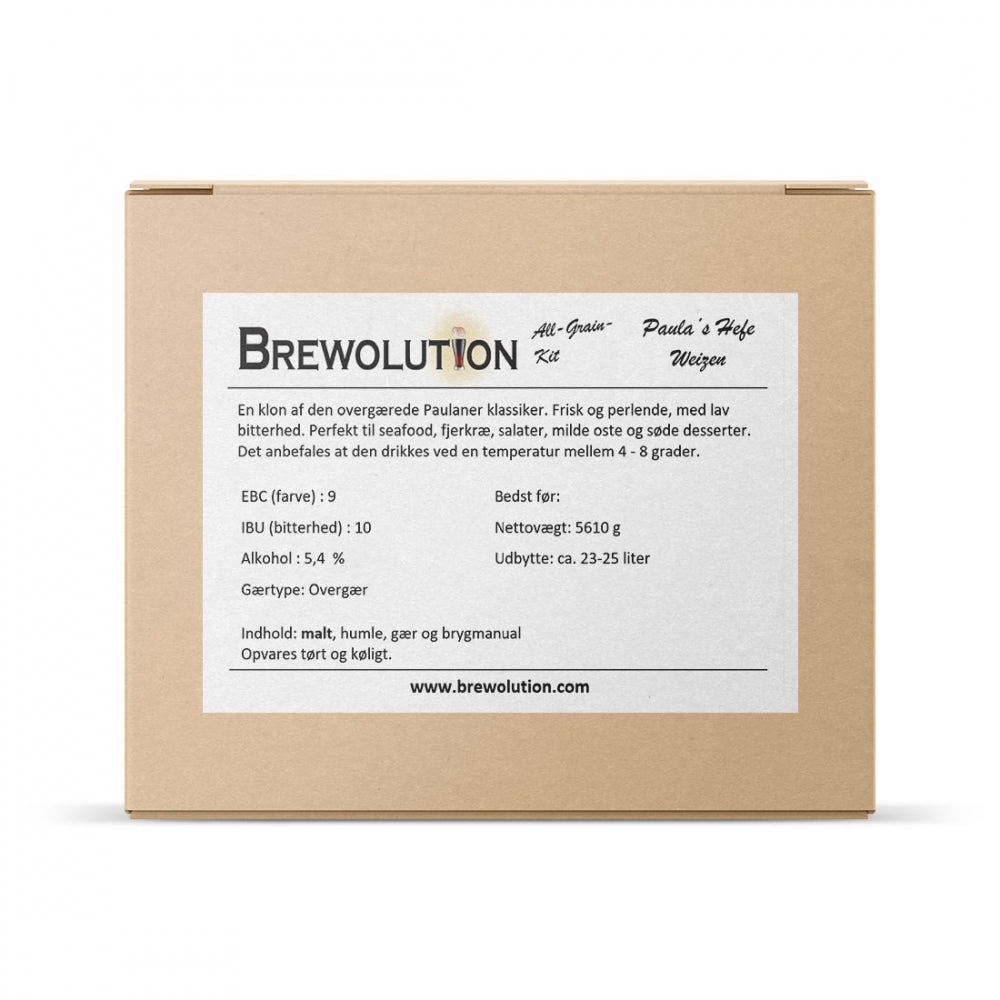
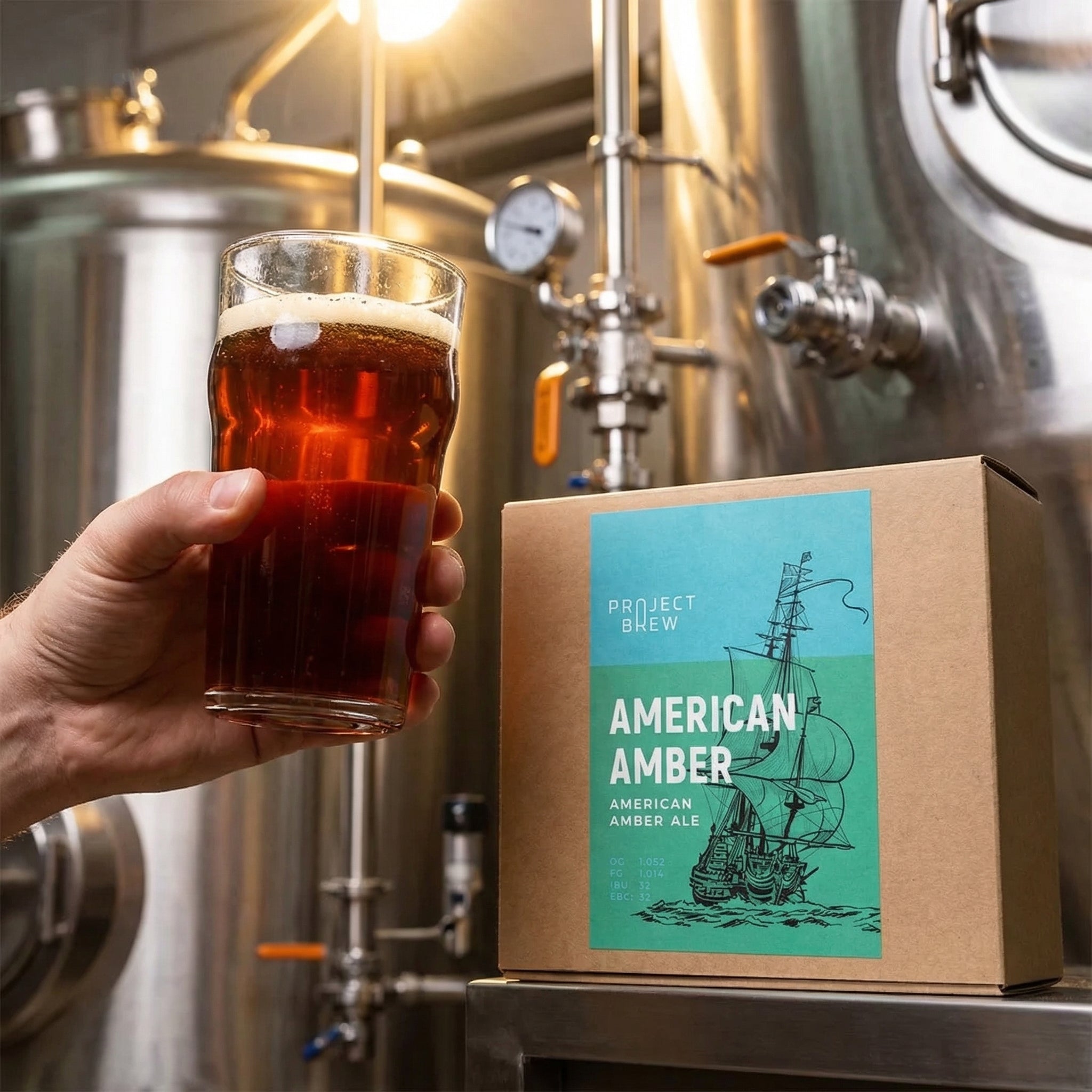
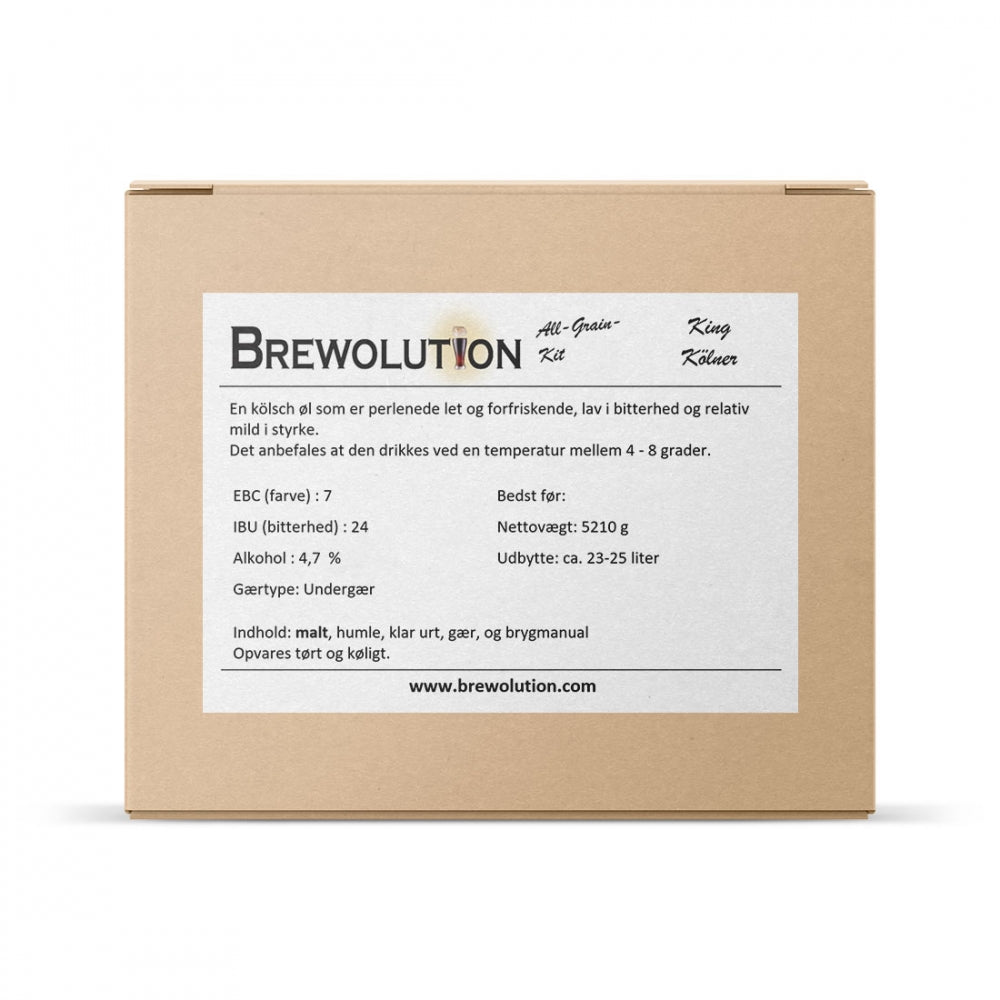
| All-grain kit | Malt, hops, yeast and brewing guide for 23–25 litres | Mashing, boiling, fermenting and bottling |
| Your own recipe | Malt, hops and yeast of your choice | Everything, from recipe to finished beer |
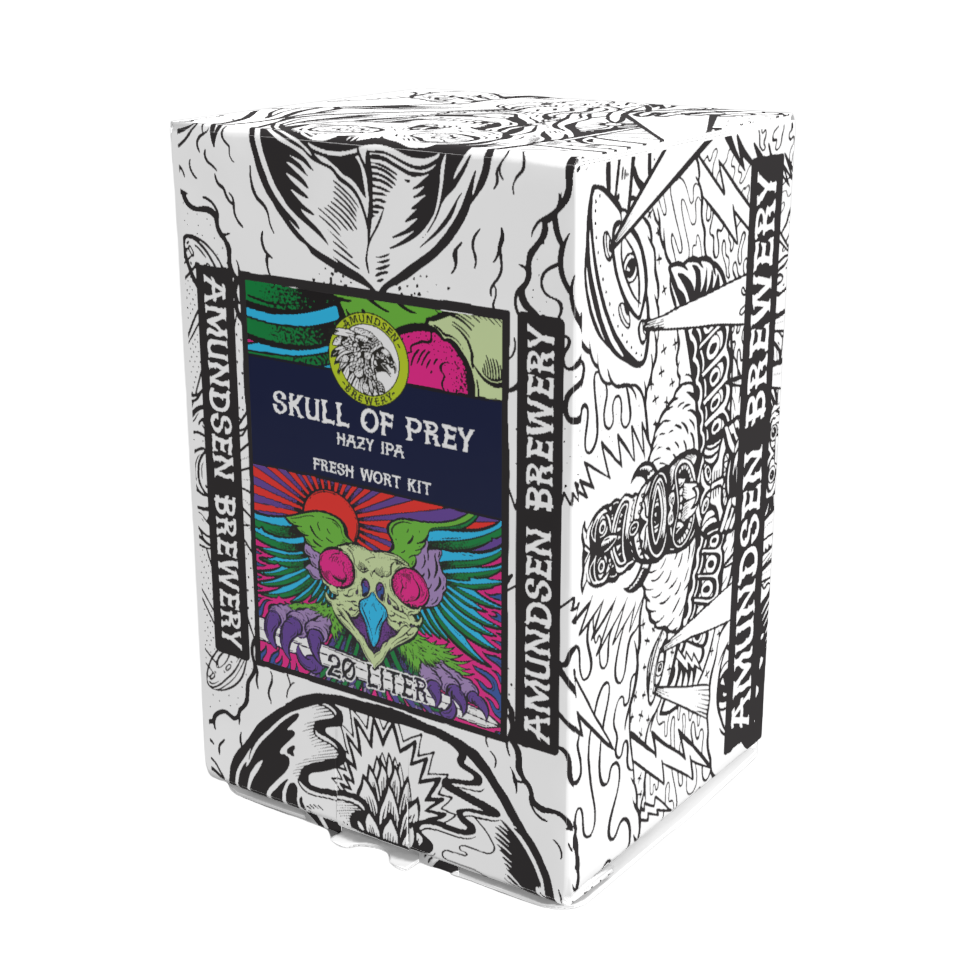
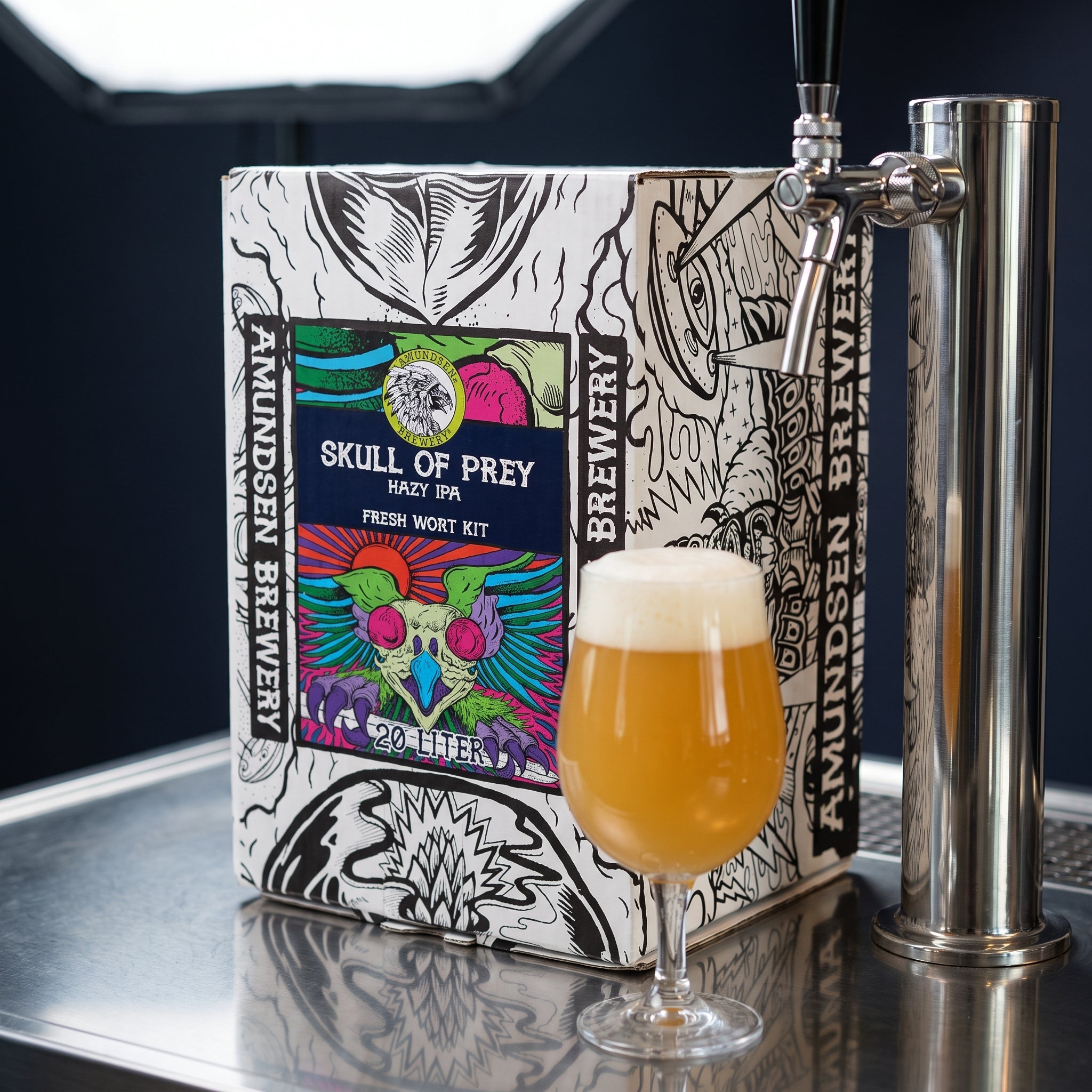
If you are new, a Fresh Wort Kit is the easiest start. Match Pilsen gives 20 litres of pilsner with LalBrew NovaLager, fermented at 18 °C. If you want to mash and boil yourself, all-grain kits such as Surfer Golden Ale come pre-measured for one batch.
Malt
Malt gives beer its sugar, colour and body. We stock base and speciality malts from Bestmalz, Thomas Fawcett, Weyermann and Castle Malting, among others, as well as Norwegian malt. Malt is sold in whole 100-gram units, whole or crushed. For one batch you usually need a base malt such as BEST Pilsen Malt or BEST Pale Ale Malt, plus a little speciality malt for colour and flavour.
- Base malt – pilsner, pale ale, wheat, Vienna and Munich malt.
- Speciality malt – caramel, crystal and chocolate malt, roasted barley and flakes.
- Norwegian malt – malt from Norwegian maltings.
Hops
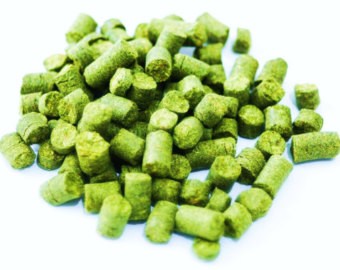
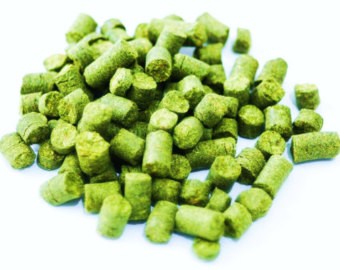
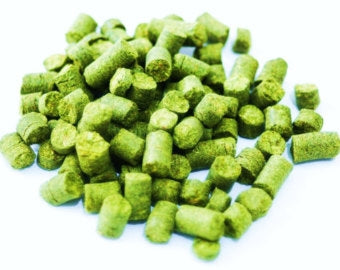
Hops provide bitterness and aroma. Hop pellets are sold in 100 grams, vacuum-packed and stored in a freezer room at -18 °C. Best sellers include Citra, Saaz, Cascade, Magnum and Mosaic. For more aroma with less plant matter there are Cryo Hops and LUPOMAX.
- Hop pellets 100 g – classic and modern varieties.
- Cryo Hops and LUPOMAX – concentrated hops for dry hopping.
Yeast
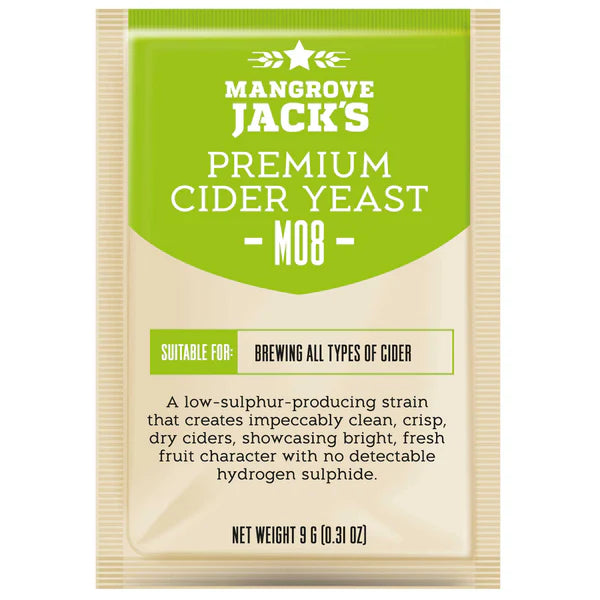
Yeast shapes much of the flavour. Dry yeast is easy to store and use. We carry Fermentis, Lallemand, Mangrove Jack's, WHC Lab and Kveik Yeastery, among others. SafAle US-05 is a neutral American ale yeast, and LalBrew NovaLager from Lallemand makes clean lager at ale temperature. Liquid yeast from White Labs offers more strains to choose from.
- Dry yeast – ale, lager, kveik and speciality strains.
- Liquid yeast – from White Labs and The Yeast Bay.
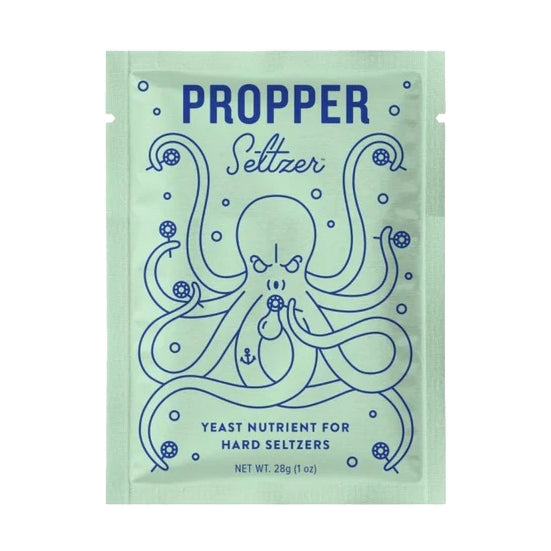
- Yeast nutrient – for a healthy fermentation.
Additions
- Fining agents – including Protafloc, added in the last 10 minutes of the boil.
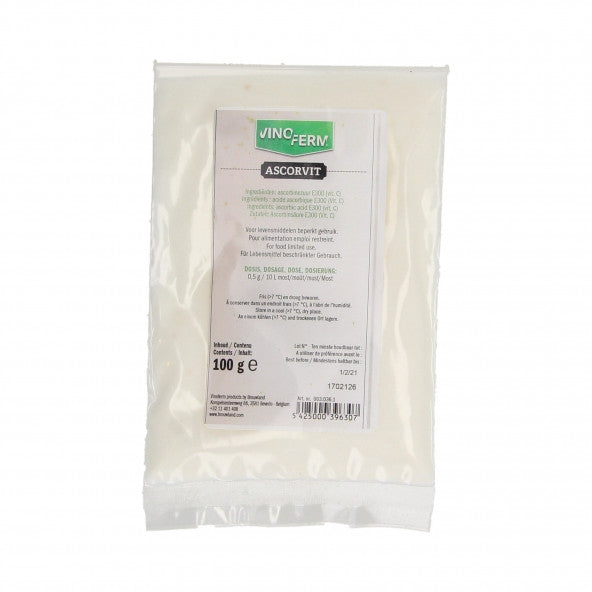
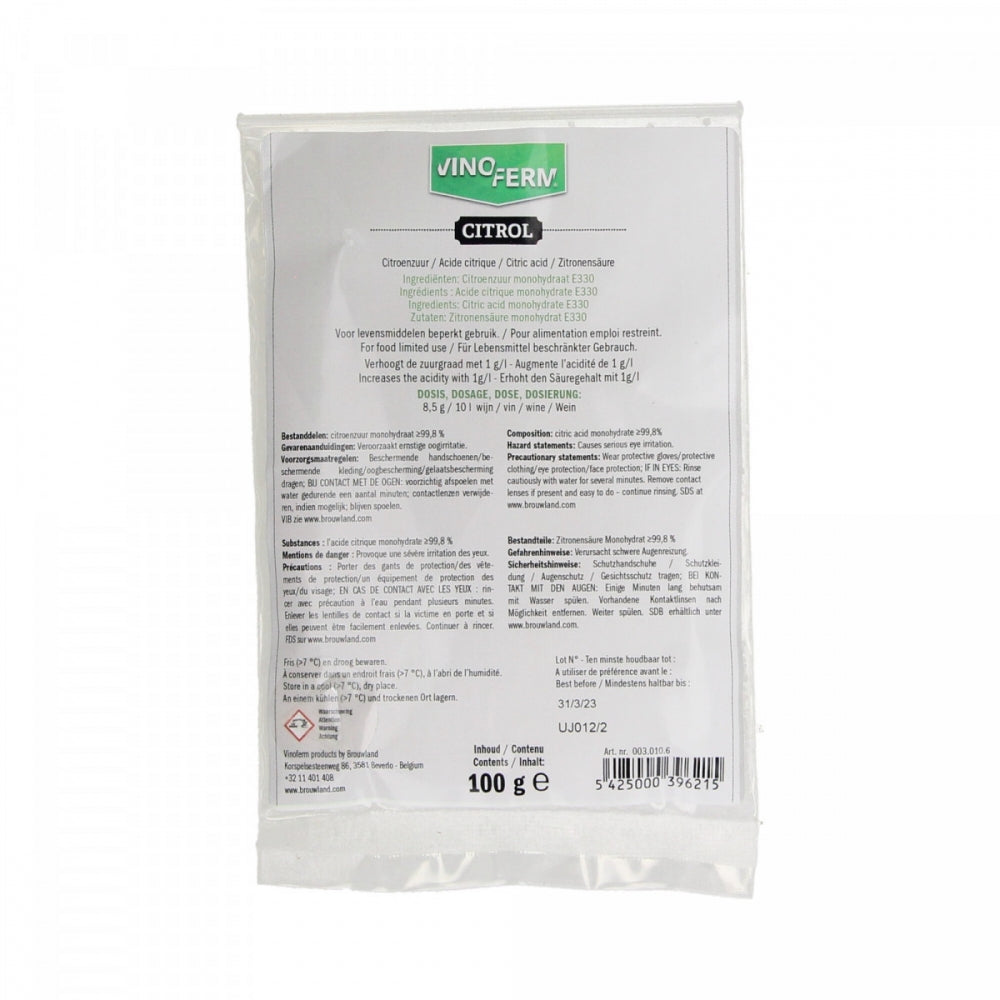
- Water treatment – salts and acids for brewing water.
- Sugar and flavour – dextrose, lactose and carbonation drops.
- Fruit purées – for fruit beers and sours.
- Enzymes and more – for special brewing processes.
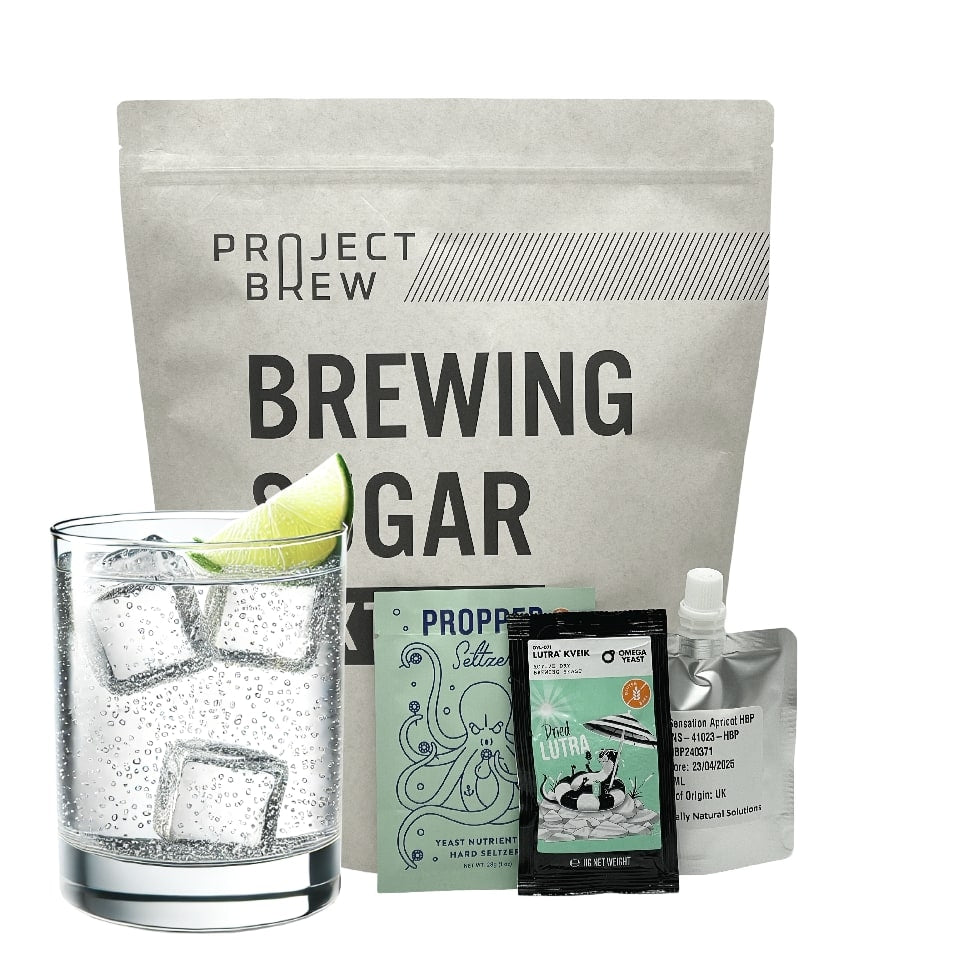
The ingredients section also includes hard seltzer, cider extract kits, Christmas beer and cheese making.
Frequently asked questions about brewing ingredients
What ingredients do I need to brew beer?
Beer is made from malt, hops, yeast and water. With a Fresh Wort Kit, the malt and hops are already brewed into the wort and the yeast is included. If you brew from grain, you need base malt, possibly speciality malt, hops and yeast.
How much malt do I need for 25 litres of beer?
It depends on the strength of the beer. Our all-grain kits for 23–25 litres contain from 4.5 kg of malt for a 4.6% kölsch to over 8 kg for a 7% Christmas ale.
Can I buy the malt crushed?
Yes. Malt in 100-gram units can be ordered whole or crushed. For a ready-mixed grain bill, add the malts to your order and write the recipe in the comment field at checkout.
What is the difference between dry and liquid yeast?
Dry yeast keeps well, is easy to dose and suits most beer styles. Liquid yeast offers a wider choice of strains, but needs cold storage and often a yeast starter.
Related
- Starter kits – equipment for your first brew.
- Brewing systems – for all-grain brewing.
- Grain mills – crush your malt just before brewing.
- Fermenters and tanks – for fermentation.