
Advice and tips on homebrewing
How to make alcohol-free beer at home: A step-by-step guide
Alcohol-free beer usually contains less than 0.5 % alcohol and can be made at home in two ways. We go through the heating method and controlled fermentation, step by step.
Water chemistry: The underrated key to brewing a truly great beer
Water makes up 90 % of your beer, and its minerals affect flavour, mouthfeel and clarity. Here are the water profiles for different beer styles and how Brewfather calculates the additions for you.
Get better beer with freshly crushed malt
Malt that was crushed long ago loses flavour and aroma through oxidation. Here is why you should crush your malt as close to brew day as possible.
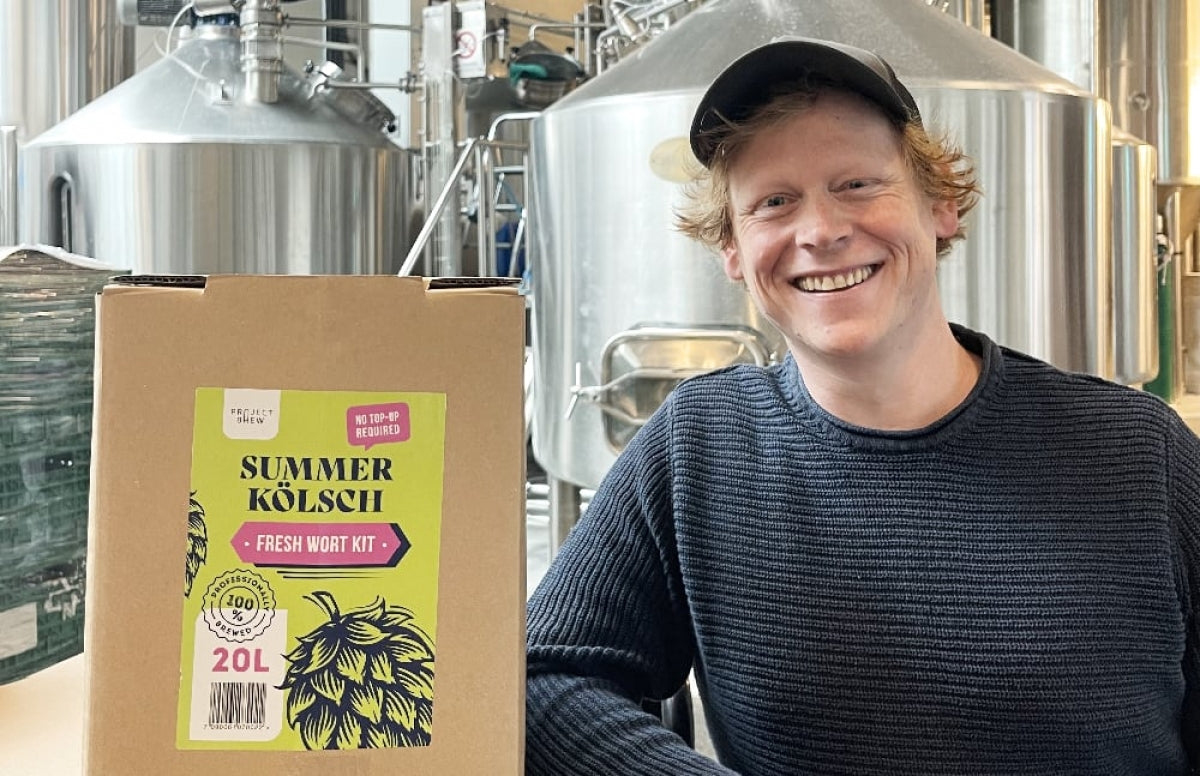
Brewing beer with a Fresh Wort Kit
A Fresh Wort Kit is 20 litres of ready-brewed wort that should not be mixed with water. Here is the equipment you need and the process from fermentation to bottles or keg.
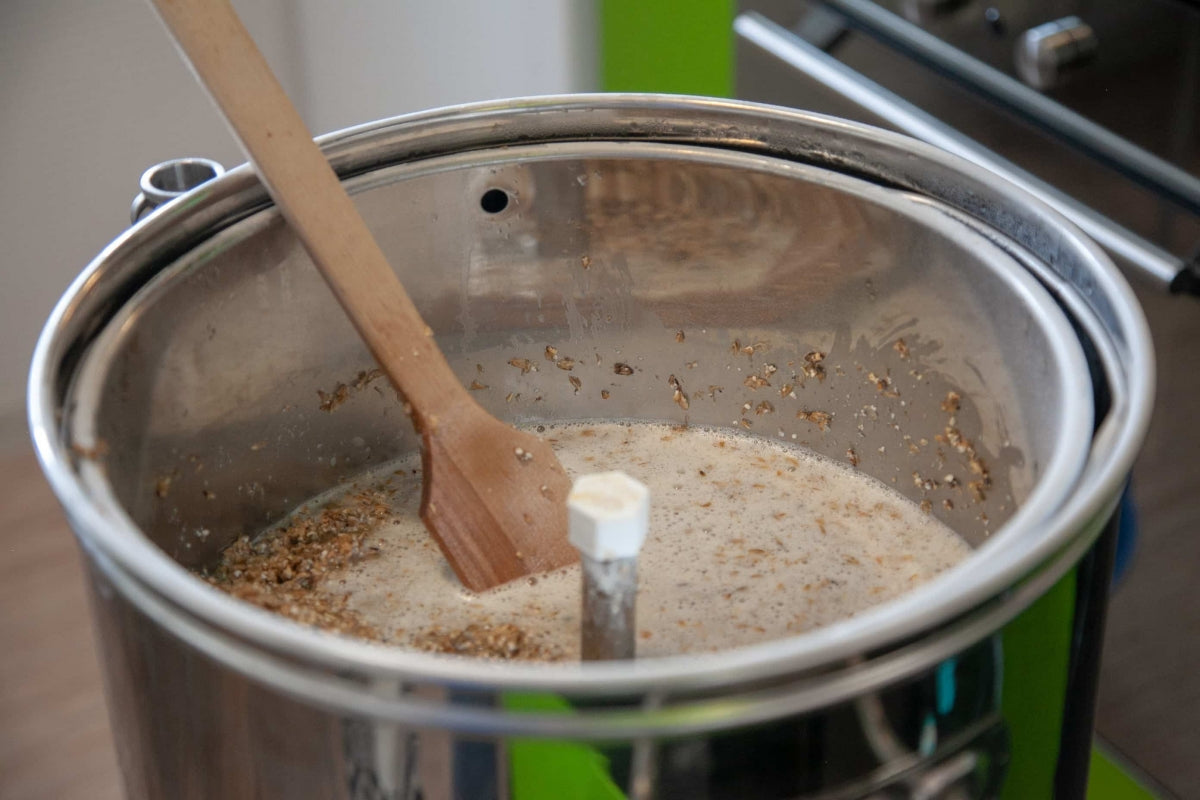
Mashing when homebrewing beer
Mashing is the step where the starch in the malt becomes sugar the yeast can ferment. Here is the temperature, the pH and the pros and cons of mashing overnight.
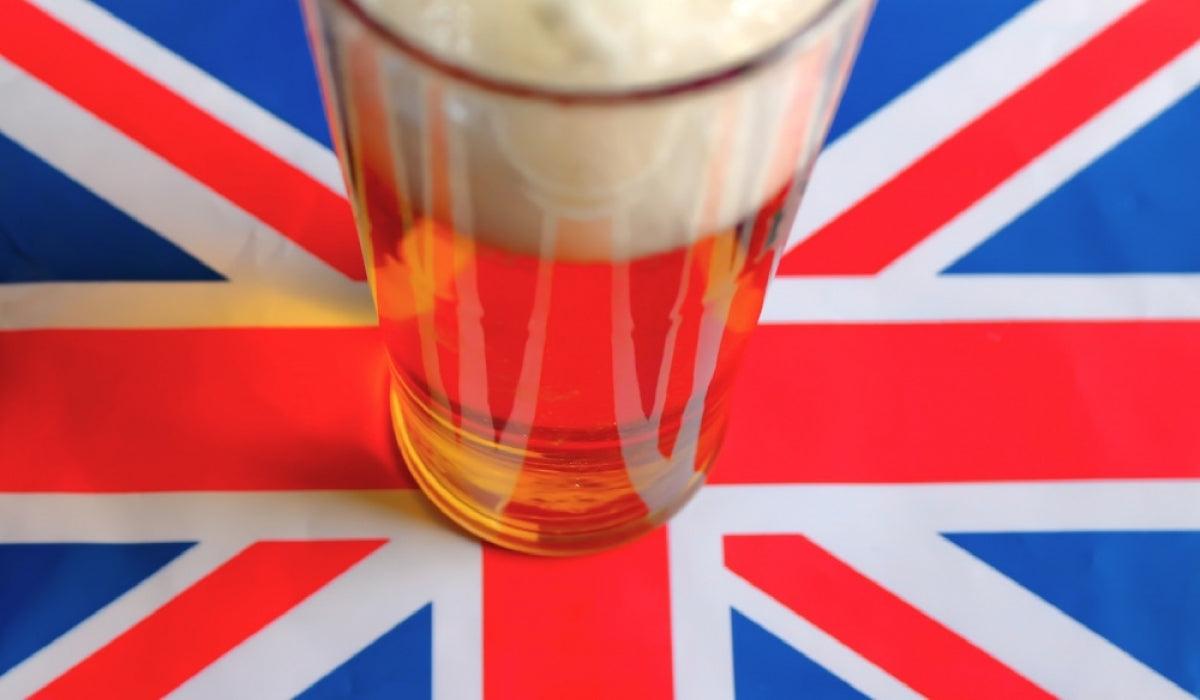
English Bitter
English Bitter is a malt-dominated, easy-drinking beer style with roots in 19th-century England. Here are the flavour profile, ingredients and a recipe for 25 litres of Best Bitter.
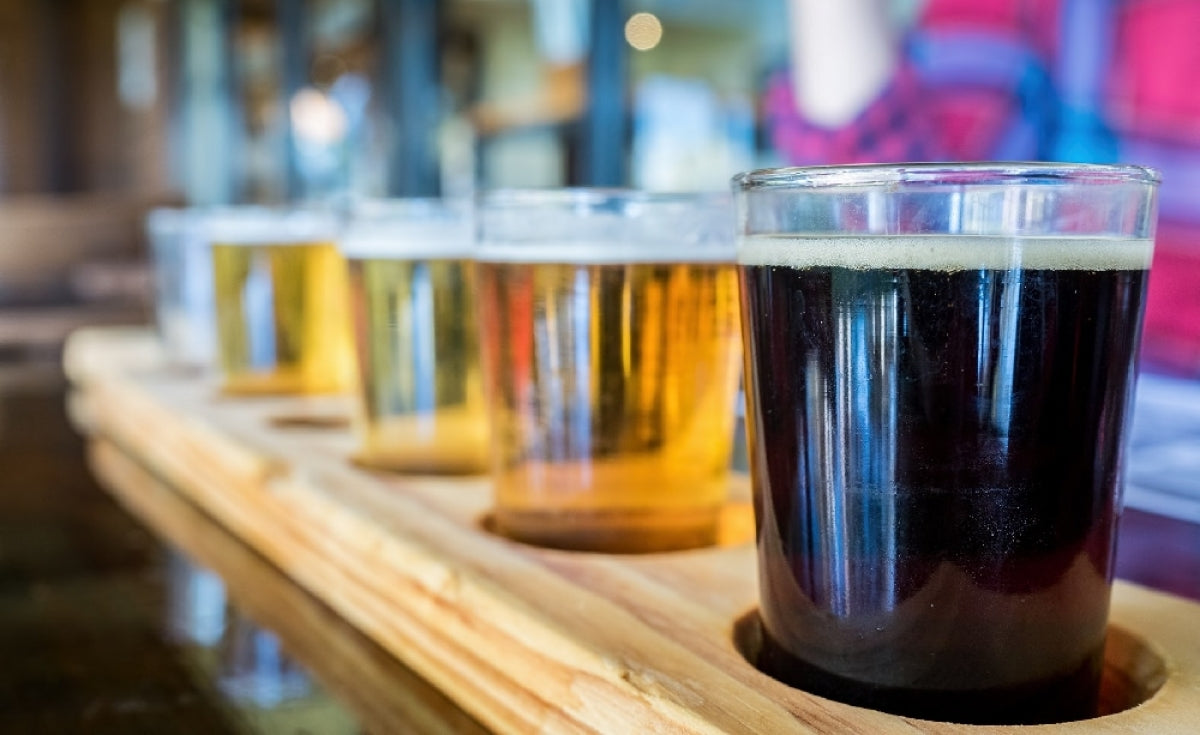
Using adjuncts when brewing beer
Corn, rice, oats and candi syrup can change the flavour, colour and body of your beer. Here is when adjuncts are used in the mash and in the boil, plus four recipes for 25 litres.
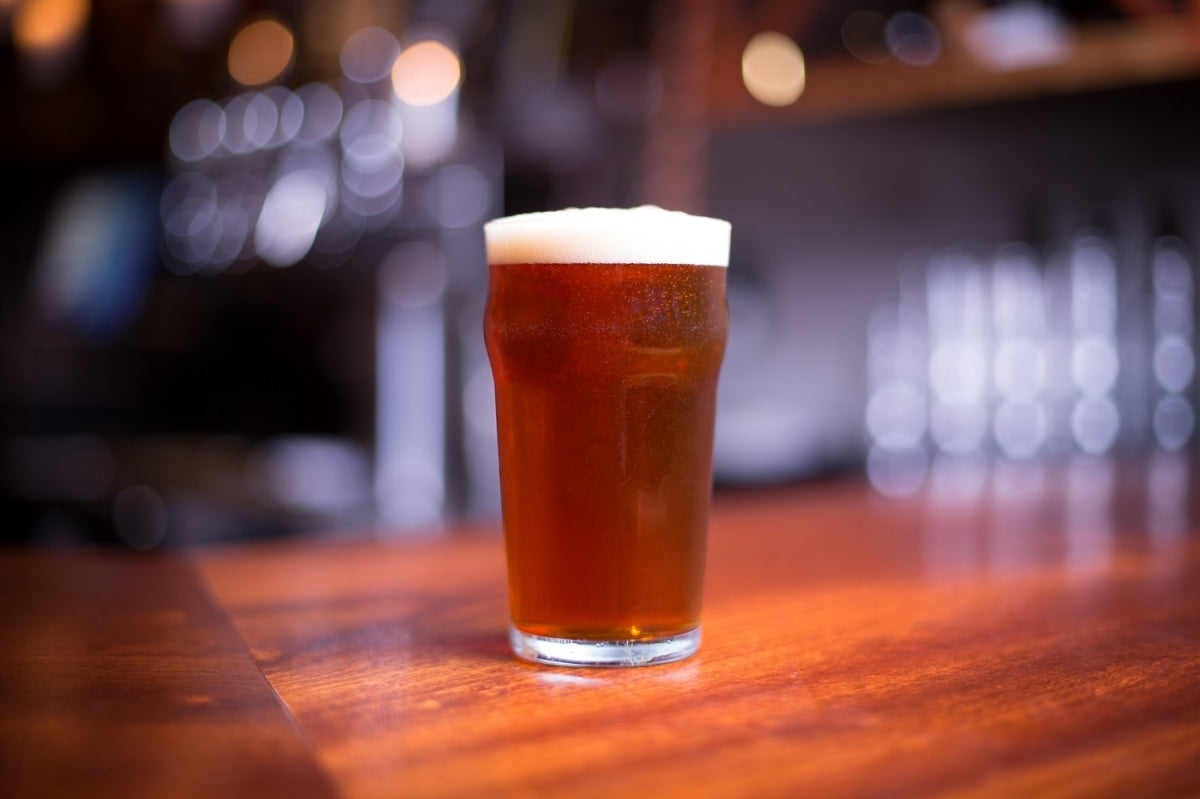
West Coast IPA
West Coast IPA is making a comeback, with caramel character in the malt, strong bitterness and flavours of grapefruit and pine. Here is how to choose malt, yeast and hops, and how to ferment and condition the beer.
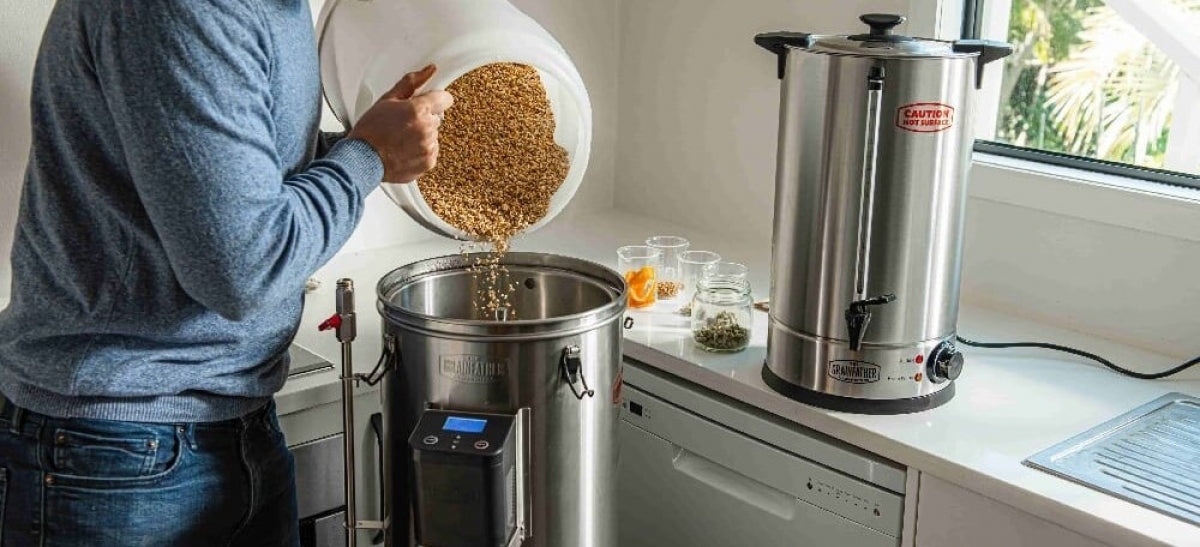
How to brew beer? A simple introduction for beginners
Brewing beer involves six steps, from mashing to bottling. Here we explain each step, the terms you'll come across as a beginner, and how to get started.
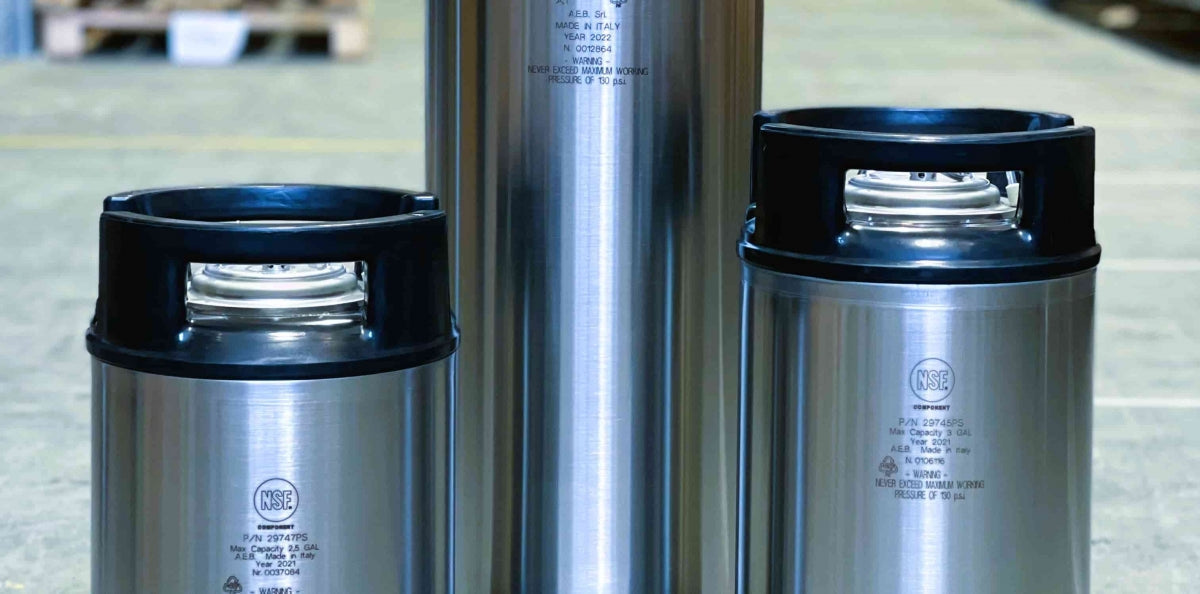
How to carbonate beer in a keg
With cornelius kegs you avoid washing bottles and get better control of the carbonation level. Here is cleaning, transfer, forced carbonation with a chart and what to do when only foam comes out.
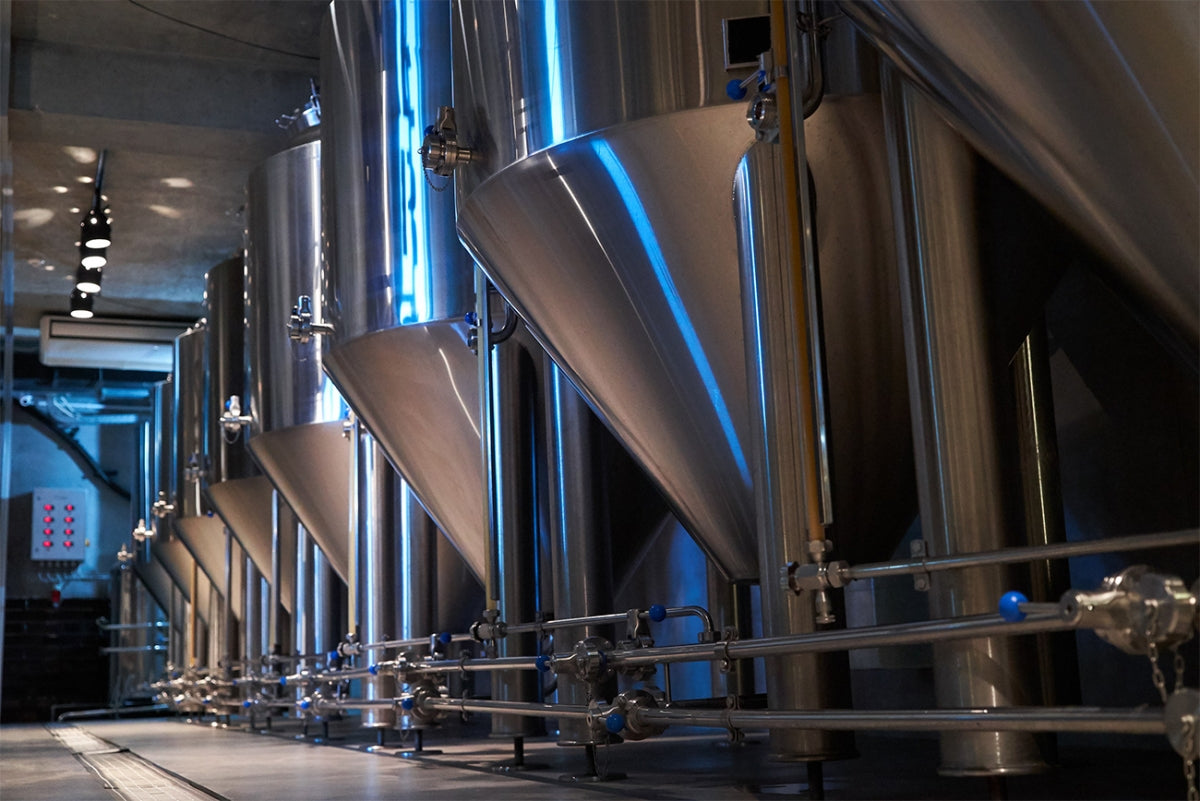
Fermenting beer: Why temperature control matters
The yeast makes the beer, and it makes off-flavours when the temperature fluctuates. Here is why a stable fermentation temperature matters, and the solutions from a fridge with a thermostat to glycol cooling.
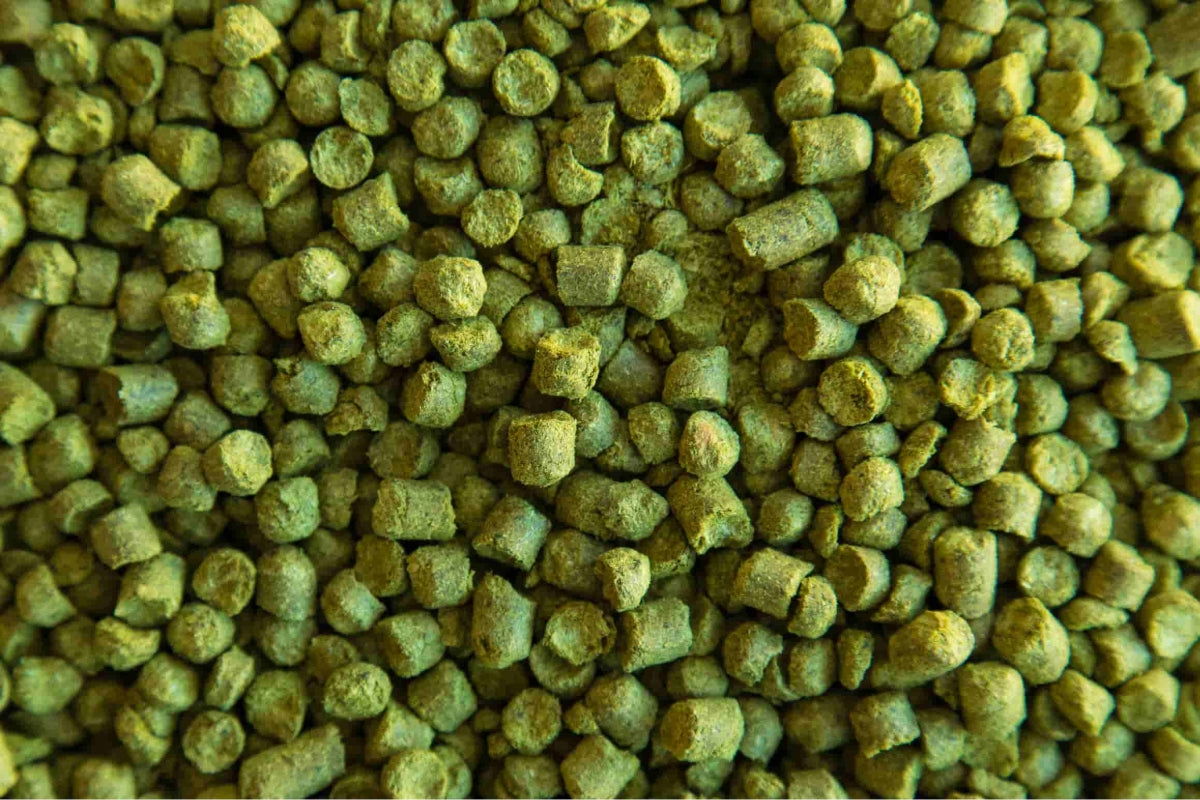
Brewing beer with hops
Hops give beer bitterness, aroma and flavour, and the timing decides what you get out of them. Here are hop varieties from Germany, England, the USA and the southern hemisphere, and the difference between boiling, first wort, hopstand, whirlpool and dry hopping.