
Advice and tips on homebrewing
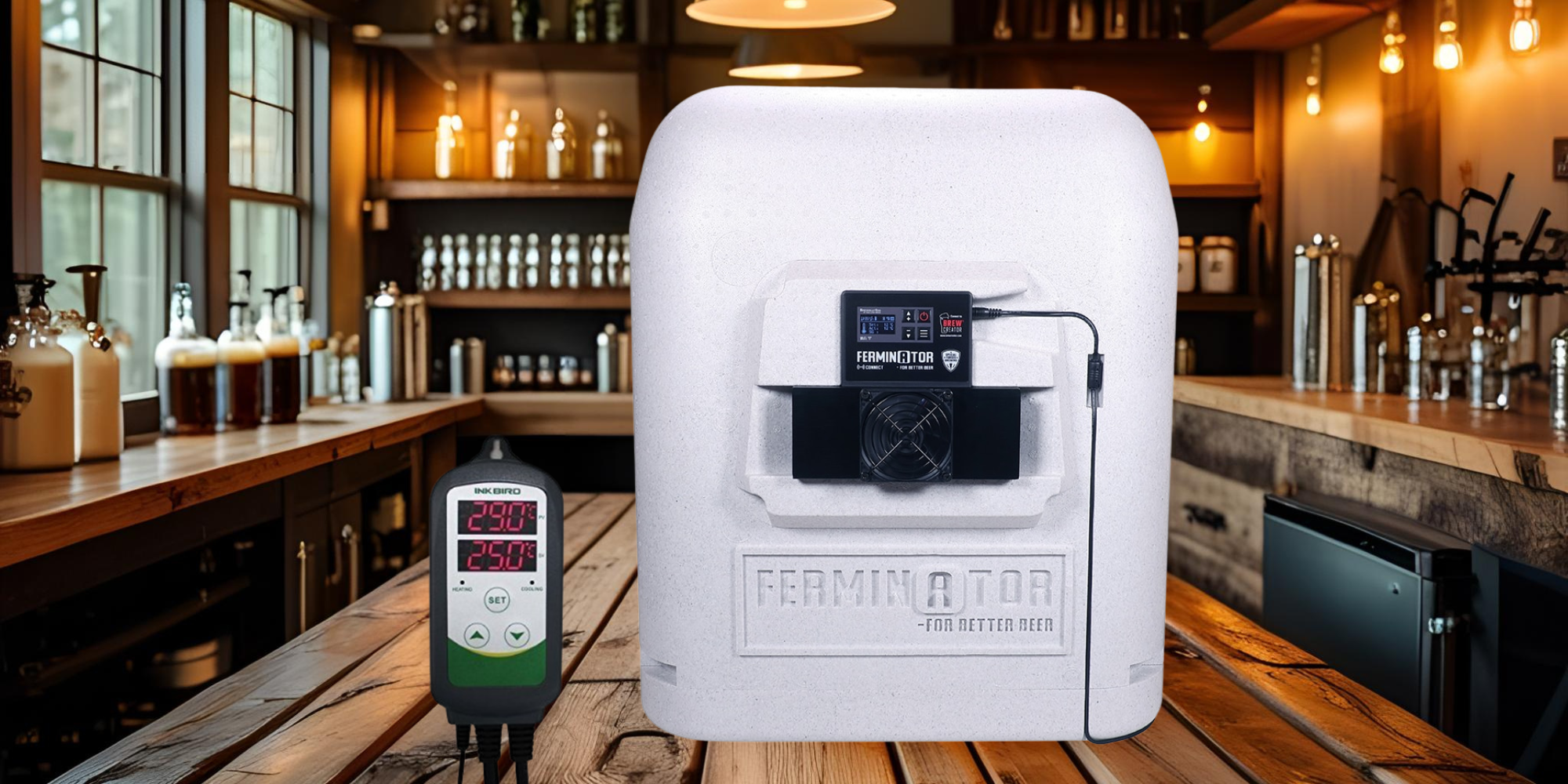
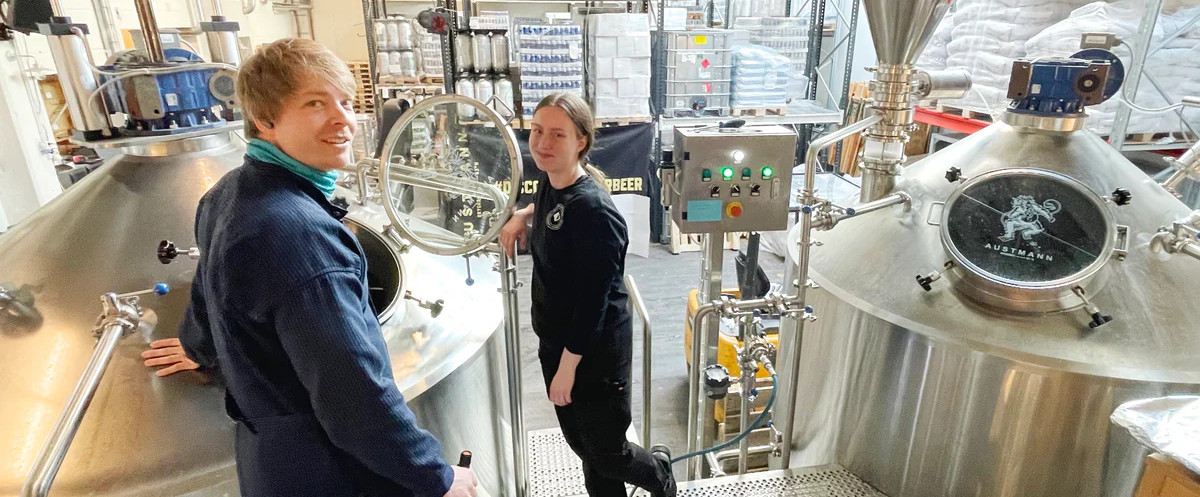
Fresh Wort Kits – why you should choose 20L over 15L
A 15 litre fresh wort kit has to be diluted with water at home, while a 20 litre kit is finished wort ready to ferment. Here is why water chemistry makes the difference.
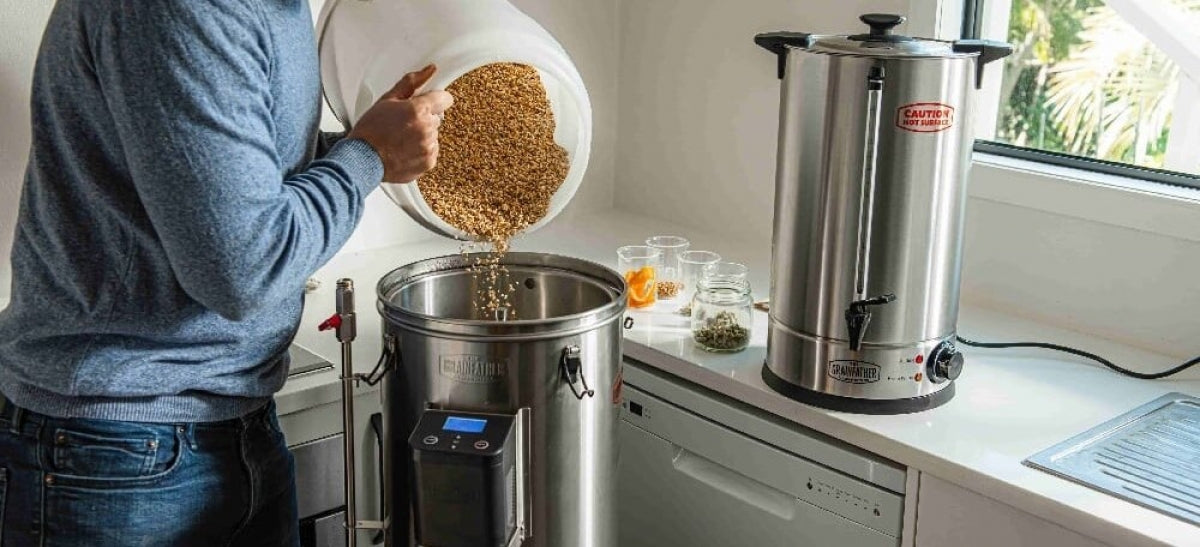
How to brew beer: a simple introduction for beginners
Beer brewing can be summed up in six steps, from mashing to bottling. Here we explain each step and the terms you will come across as a beginner.
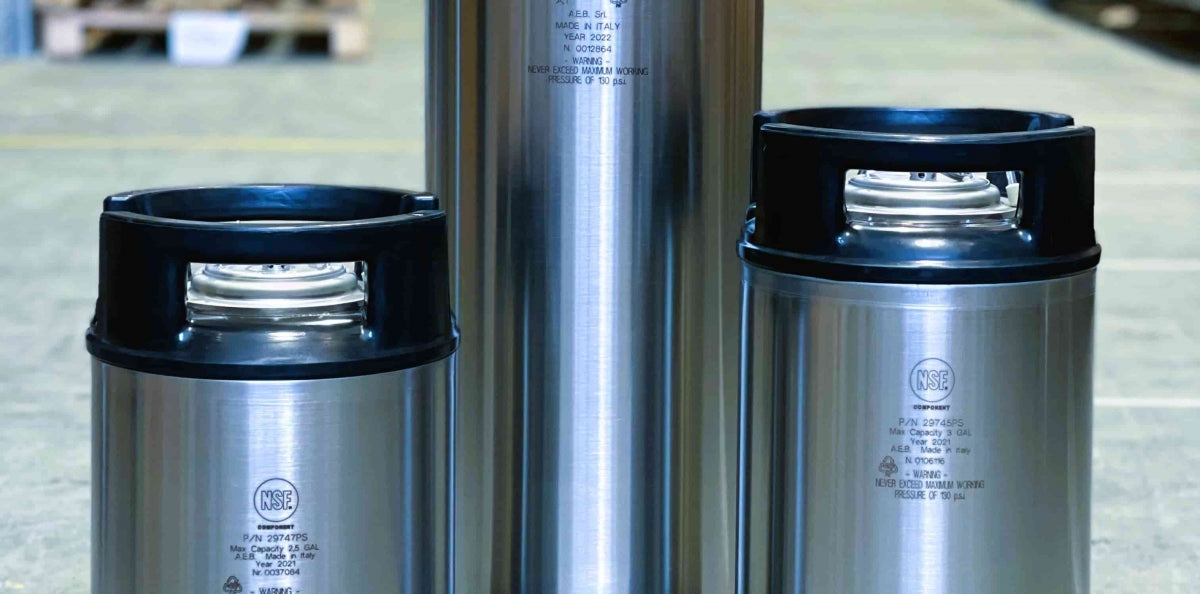
How to carbonate beer in a keg
With cornelius kegs you avoid washing bottles and get better control of the carbonation level. Here is cleaning, transfer, forced carbonation with a chart and what to do when only foam comes out.
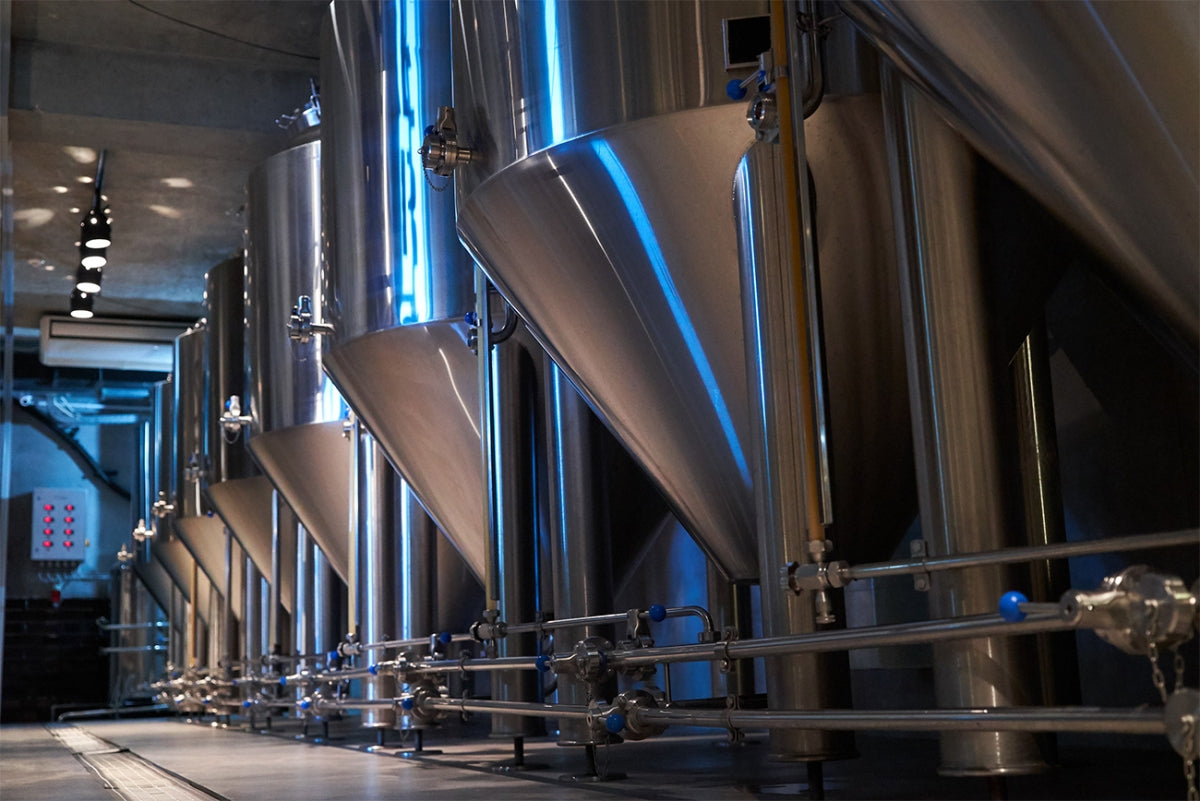
Fermenting beer: Why temperature control matters
The yeast makes the beer, and it makes off-flavours when the temperature fluctuates. Here is why a stable fermentation temperature matters, and the solutions from a fridge with a thermostat to glycol cooling.
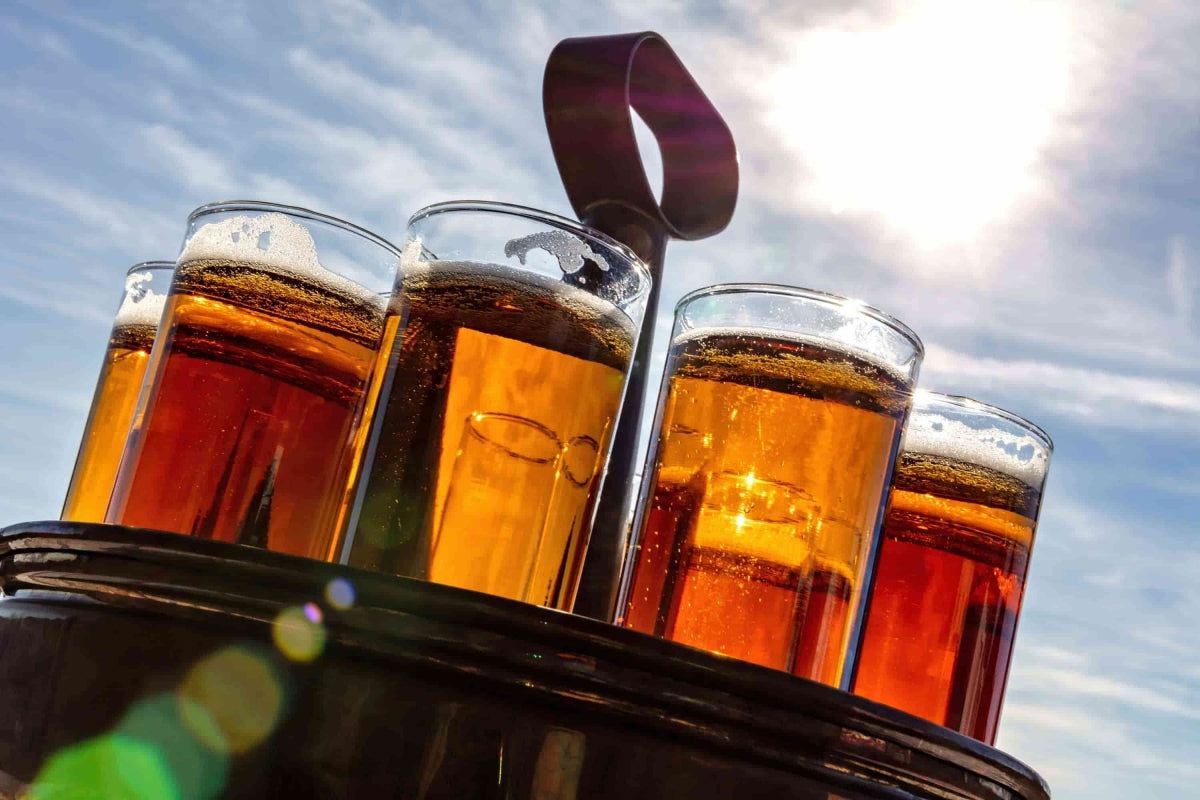
Kölsch – the perfect summer drink
Kölsch is a pale and crisp top-fermented beer style from Cologne, and perhaps the closest we get to a top-fermented pilsner. Here are the ingredients and fermentation tips that give a clean kölsch.
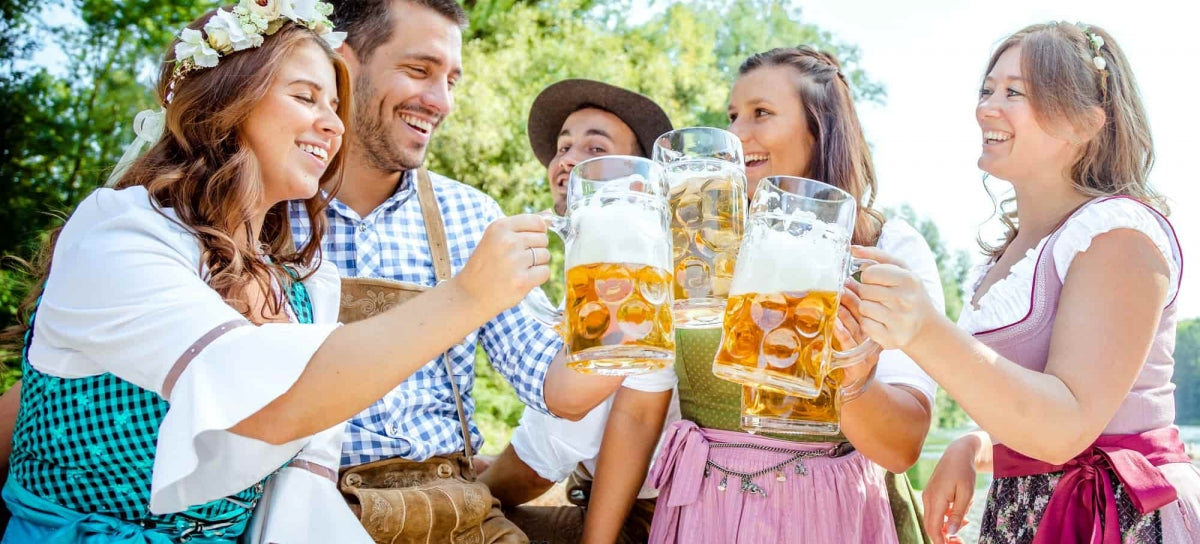
Märzen Lager
Märzen is the original Oktoberfest style: a darker and stronger lager where the malt takes the lead. Here are the ingredients, the yeast choice and why temperature control matters most.
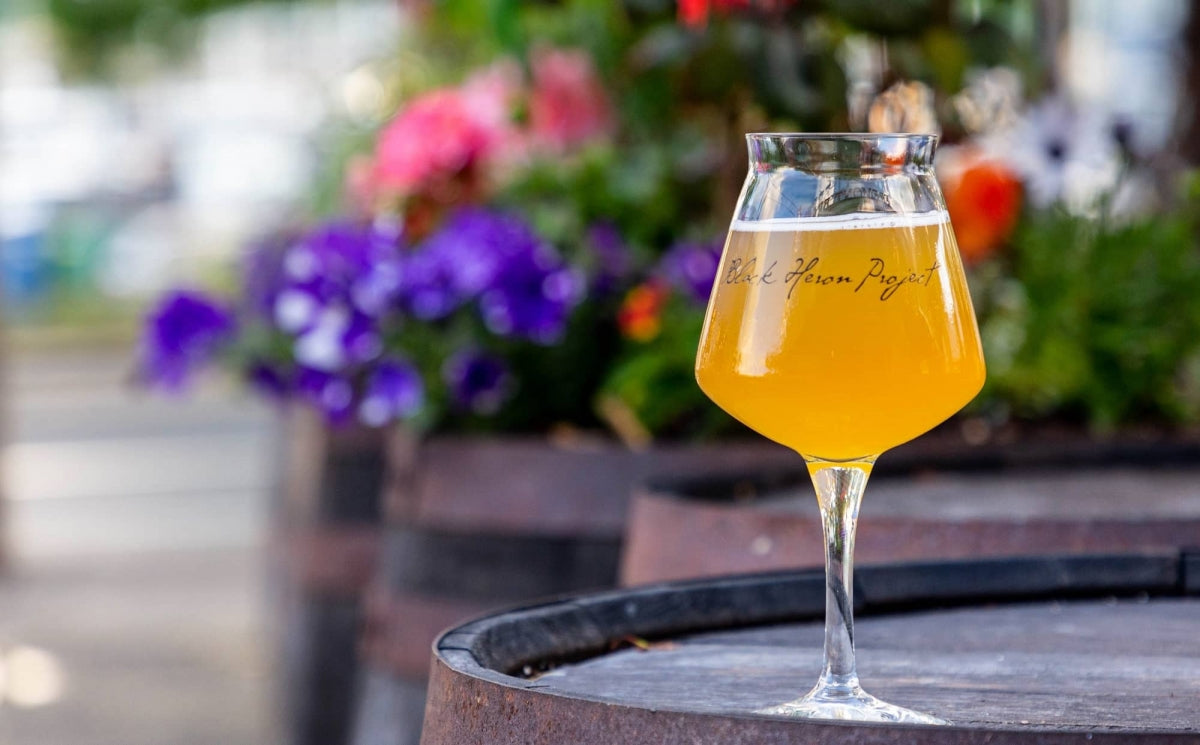
Saison - Belgian Farmhouse Ale
Saison started out as a light thirst-quencher for farm workers in Belgium and is today a dry, spicy beer style of up to 7%. Here are the malt, hops and yeast, and how fermentation temperature controls the flavour.
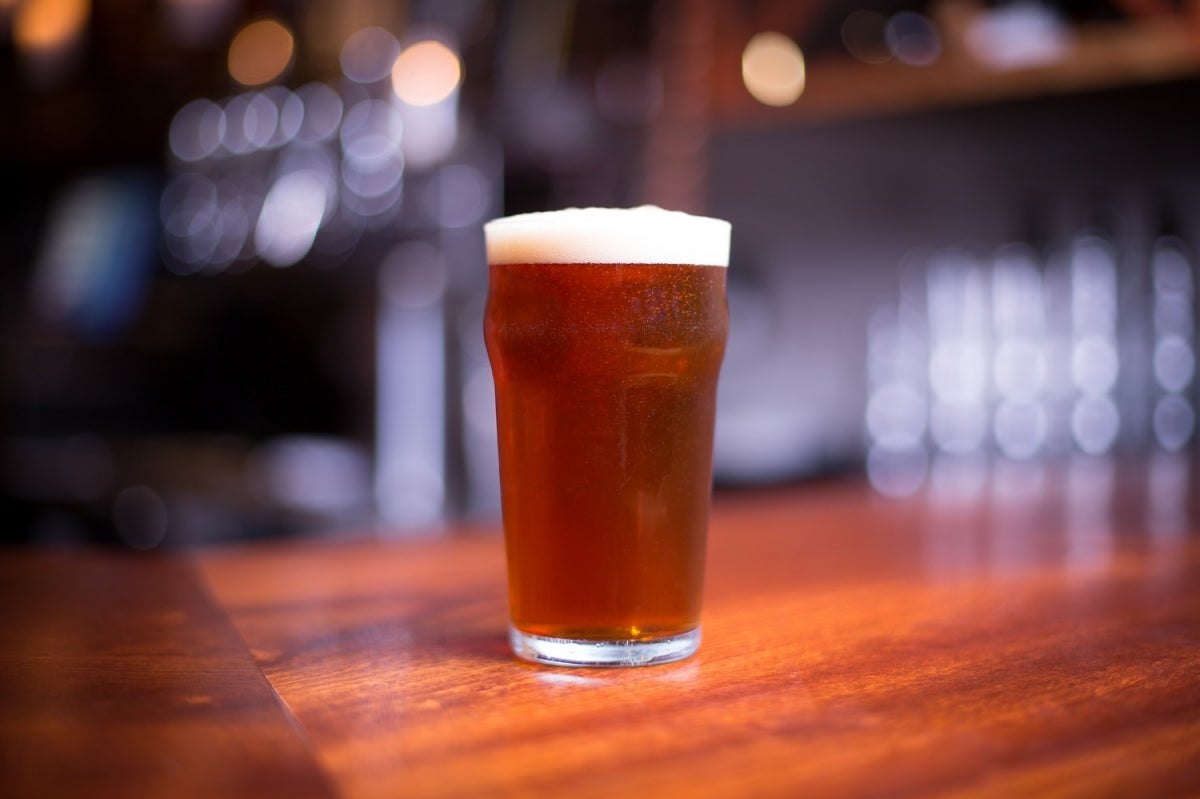
West Coast IPA
West Coast IPA is making a comeback, with caramel character in the malt, strong bitterness and flavours of grapefruit and pine. Here is how to choose malt, yeast and hops, and how to ferment and condition the beer.
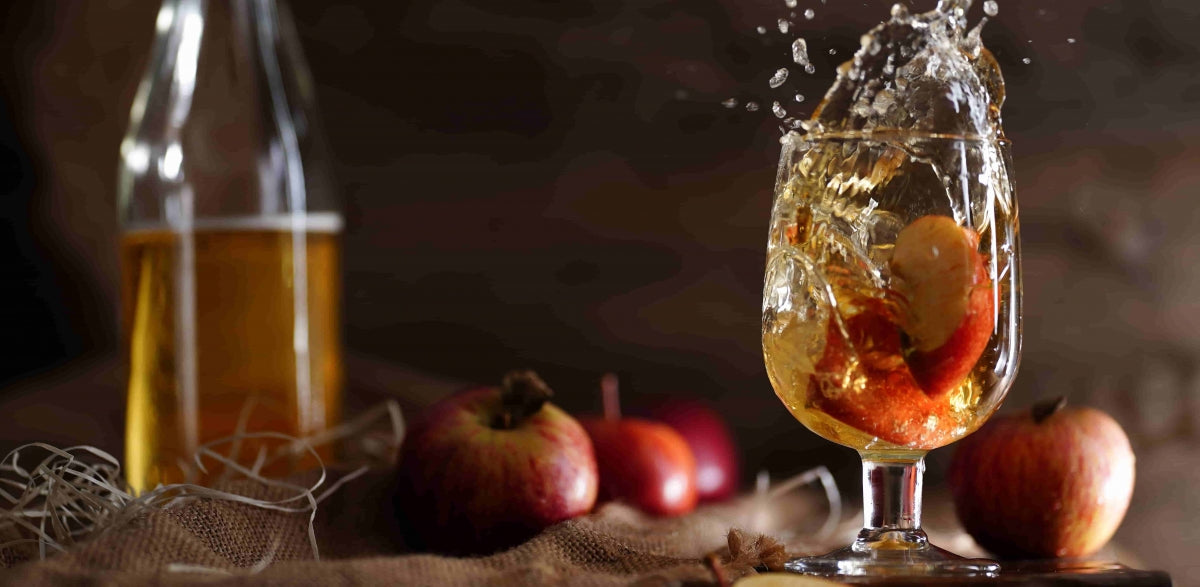
How to make cider from fruit
Real cider from apples and other fruit should be well fermented out and dry, and needs a long maturation time. Here is the equipment, the yeast strains and the method from pressed juice to finished cider.
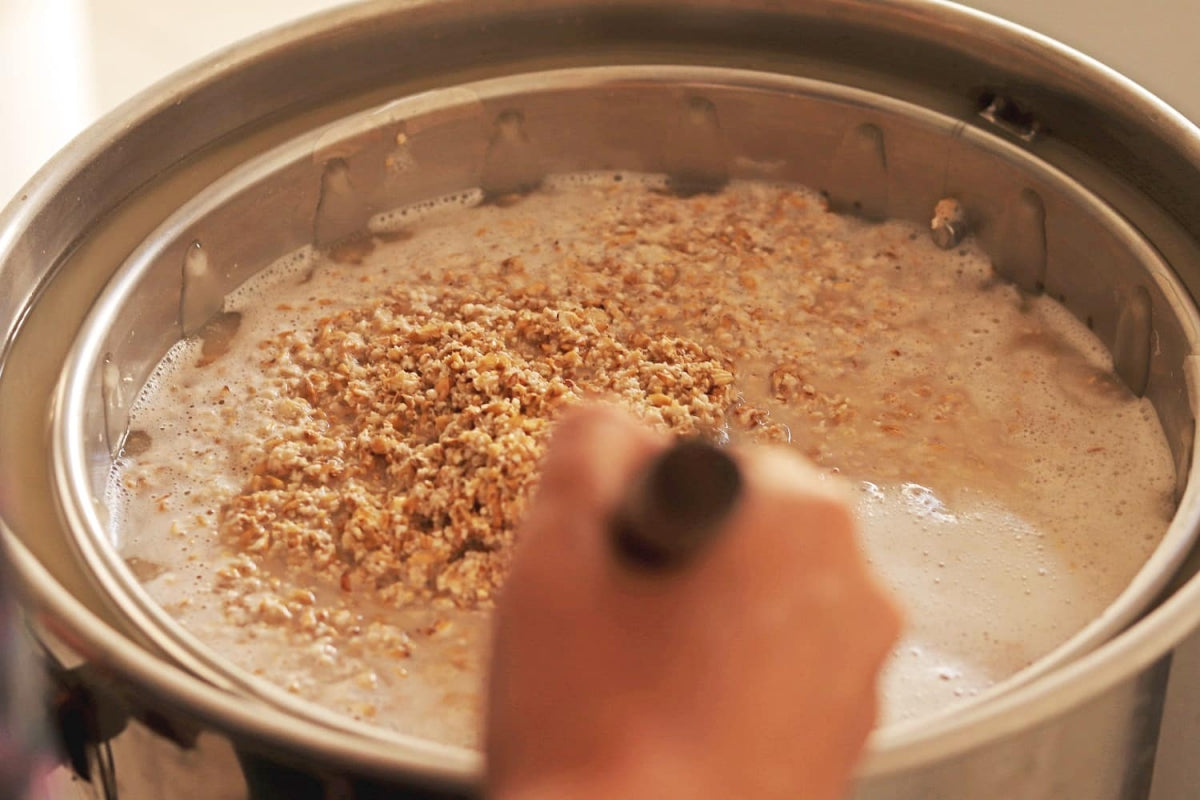
Mash efficiency vs brewhouse efficiency
Efficiency in brewing is about how much sugar you actually extract from the malt. Here is the difference between mash efficiency and brewhouse efficiency, and how to measure them.
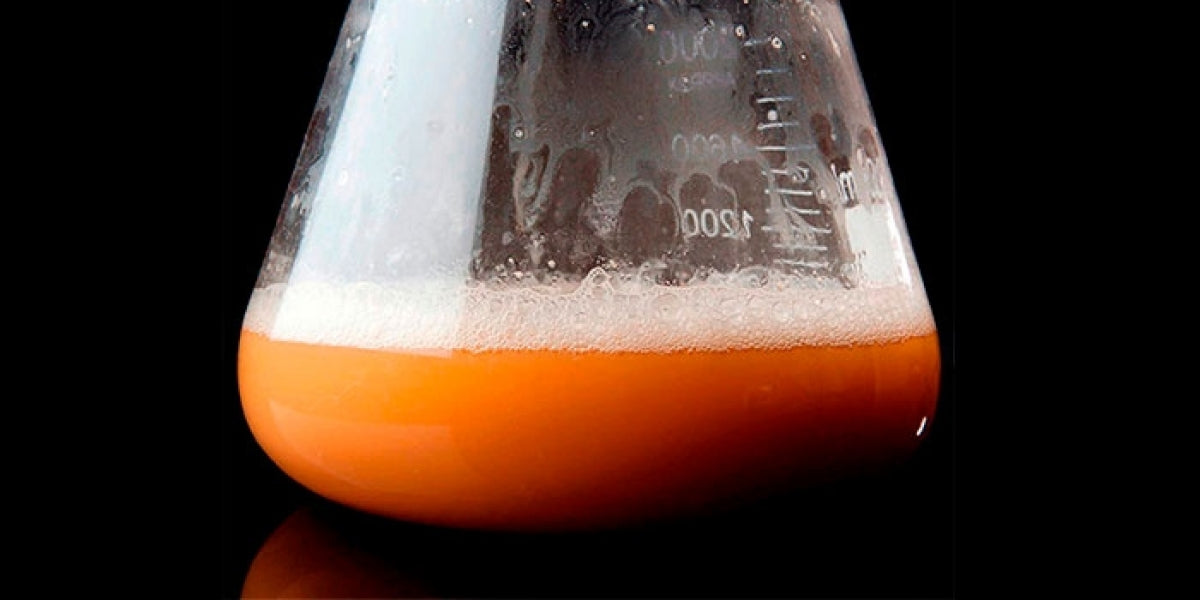
Using fresh yeast and making a yeast starter
Fresh yeast goes dormant and loses live cells over time, and a yeast starter makes sure you have enough healthy yeast. Here is the equipment, the method, the quick method and how to find the right starter size.
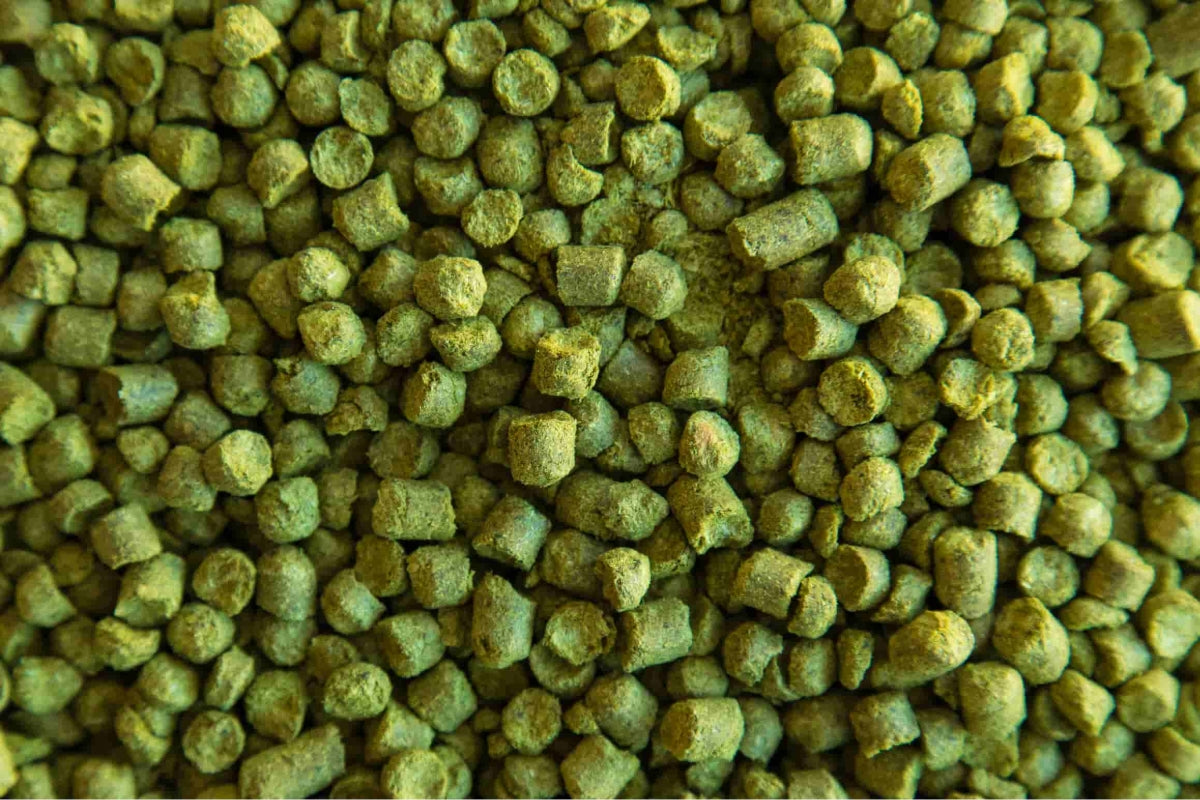
Brewing beer with hops
Hops give beer bitterness, aroma and flavour, and the timing decides what you get out of them. Here are hop varieties from Germany, England, the USA and the southern hemisphere, and the difference between boiling, first wort, hopstand, whirlpool and dry hopping.