
Advice and tips on homebrewing
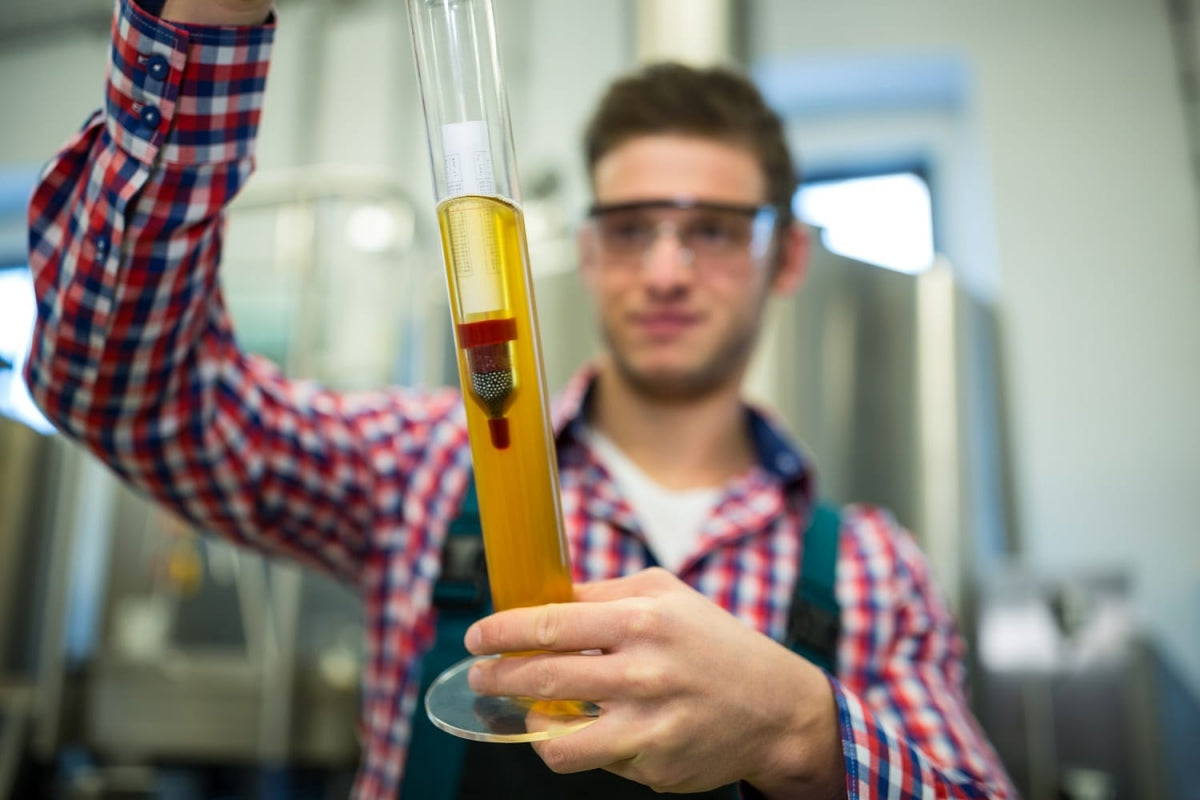
Tips for better efficiency when brewing beer - troubleshooting
If your OG is lower than the recipe promises, the fault usually lies in the crush, mashing in, the amount of malt or sparging. Here we go through the causes and how to correct a low yield before the boil.
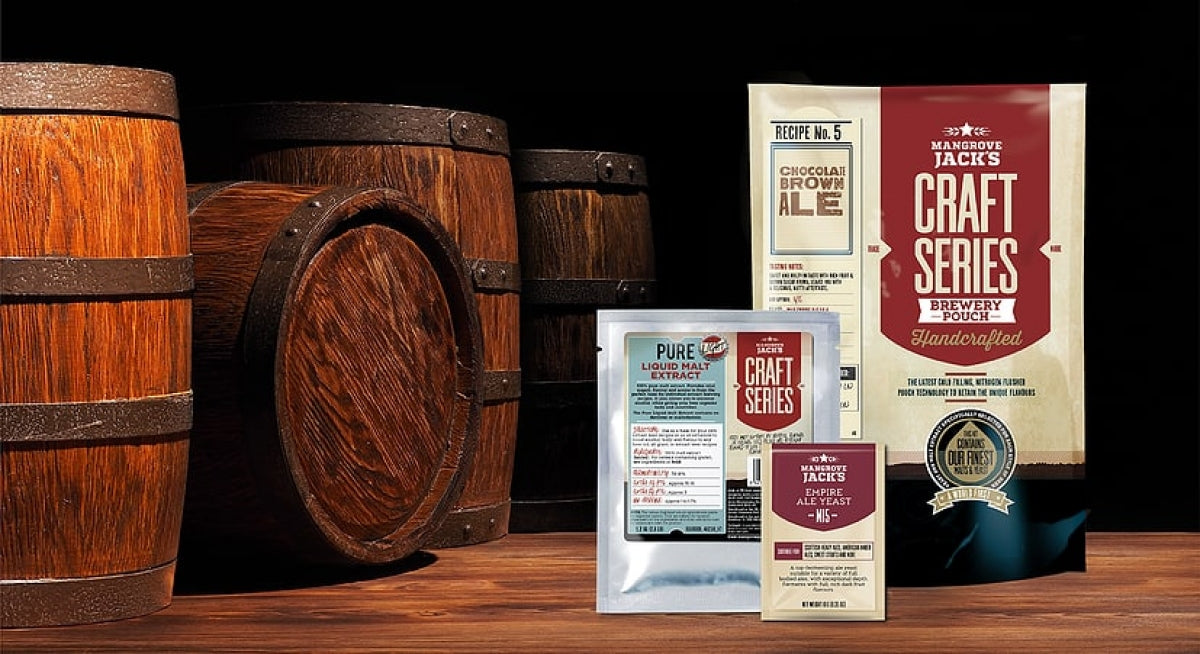
Brewing beer and cider with extract kits
Extract kits are the easiest route to your own beer and cider, and give a full-fledged result with good temperature control. Here is the equipment, the method step by step, and when to use malt extract or sugar.
Water adjustment when brewing beer
Water is the biggest part of beer, and the water profile affects flavour, body and fermentation. Here are the salts you need, the right mash pH and how Brewfather calculates the amounts for you.
How to make alcohol-free beer at home: A step-by-step guide
Alcohol-free beer usually contains less than 0.5 % alcohol and can be made at home in two ways. We go through the heating method and controlled fermentation, step by step.

Brewing methods and brewing machines
Extract kits, malt extract, partial mash, BIAB, brewing machines, HERMS and RIMS can be confusing terms for new brewers. Here we go through how each method works and what sets them apart.
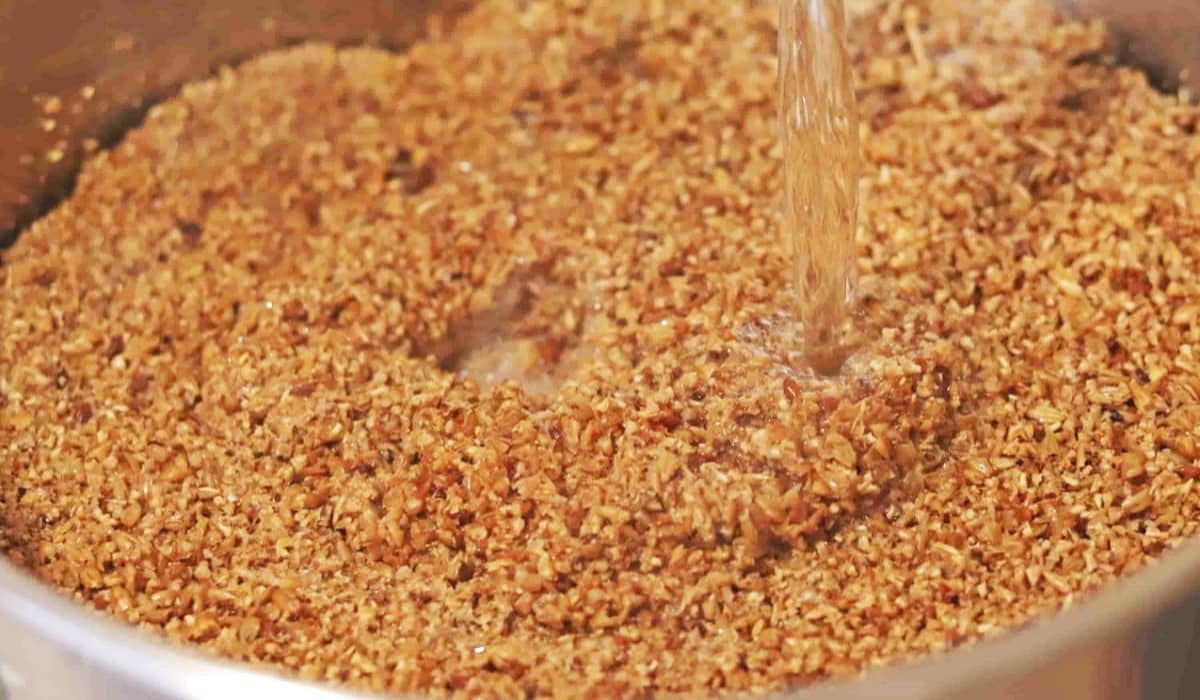
Double mashing
Double mashing lets you brew big beers such as imperial stout and barley wine without an overfilled malt pipe. Here are two methods, plus shortcuts with spray malt and a half batch.
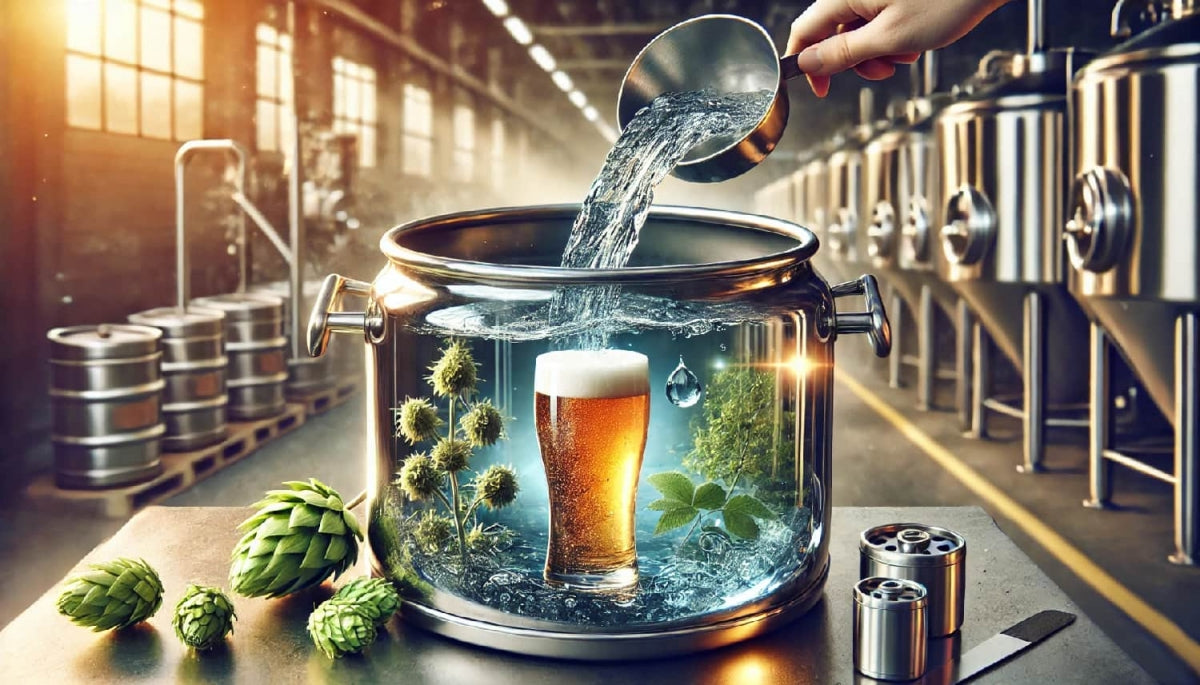
Water chemistry: The underrated key to brewing a truly great beer
Water makes up 90 % of your beer, and its minerals affect flavour, mouthfeel and clarity. Here are the water profiles for different beer styles and how Brewfather calculates the additions for you.
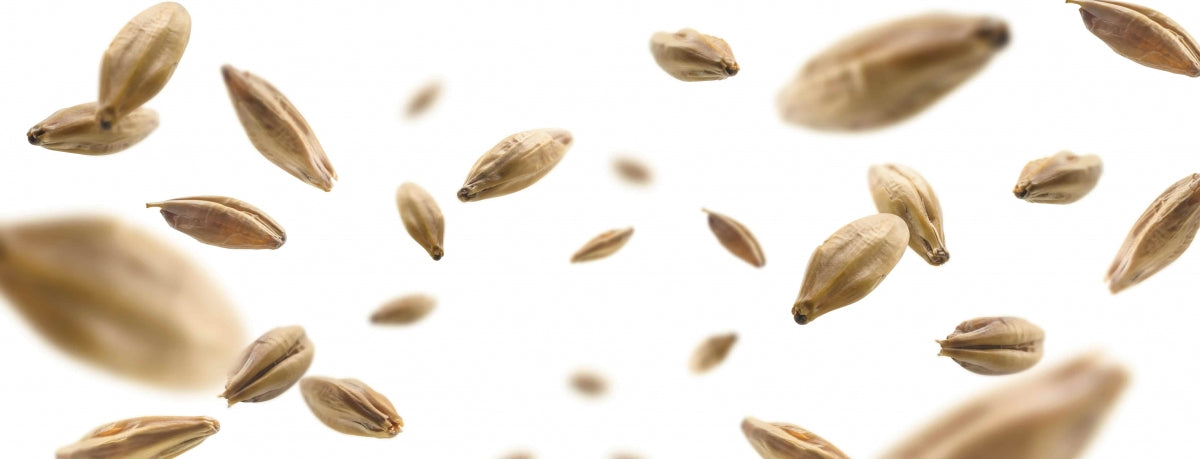
Get better beer with freshly crushed malt
Malt that was crushed long ago loses flavour and aroma through oxidation. Here is why you should crush your malt as close to brew day as possible.

Brewing beer with fruit
Fruit can lift a beer, but the water, sugar and acid in the fruit determine how much you need and when it goes in. Here are quantities, how to treat fresh fruit, purée and essences, and the right timing.

Beer oxidation and how to avoid it
Oxidised beer turns browner and tastes of wet cardboard, and hop-forward beers such as NEIPA are most at risk. Here is where the oxygen gets in, and how to do a closed transfer to a keg, even from a regular fermenting bucket.
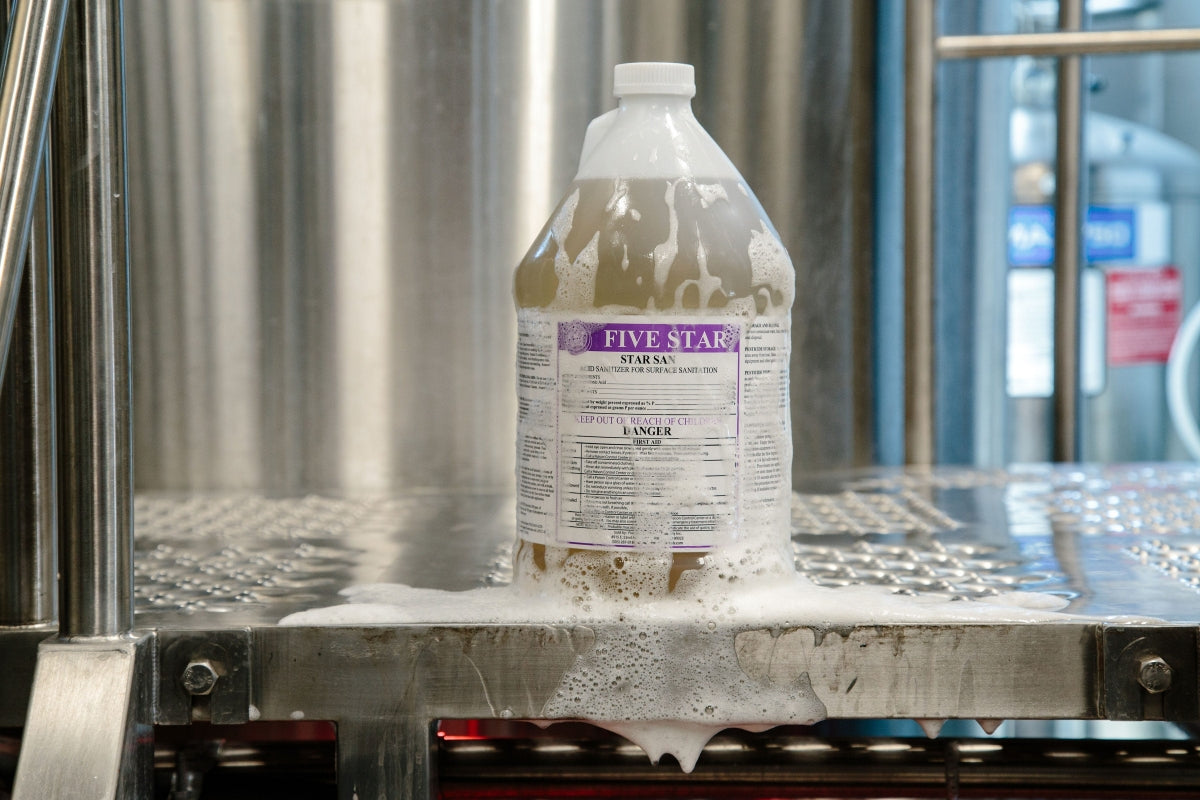
Cleaning and sanitising brewing equipment
Good hygiene is the most important way to avoid off-flavours and sour beer. Here is the difference between cleaners and sanitisers, and how to clean fermenters, kegs, bottles and beer lines.
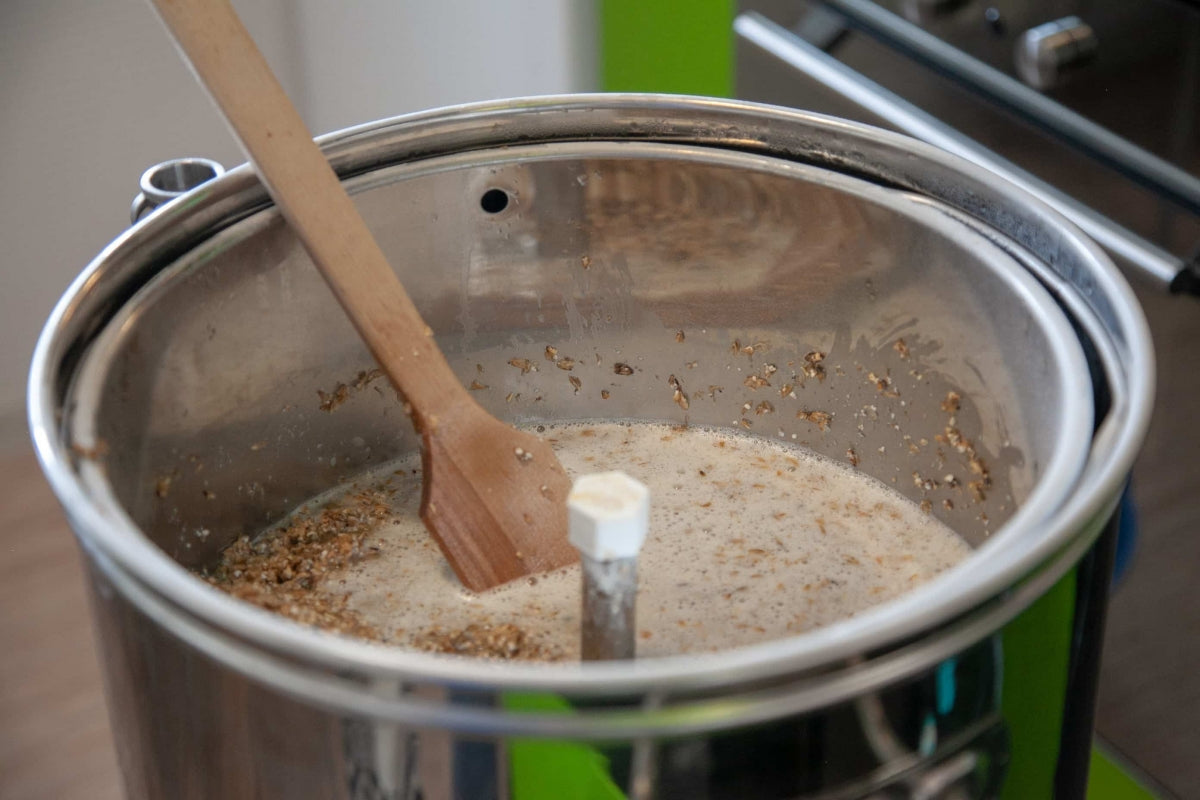
Mashing when homebrewing beer
Mashing is the step where the starch in the malt becomes sugar the yeast can ferment. Here is the temperature, the pH and the pros and cons of mashing overnight.